
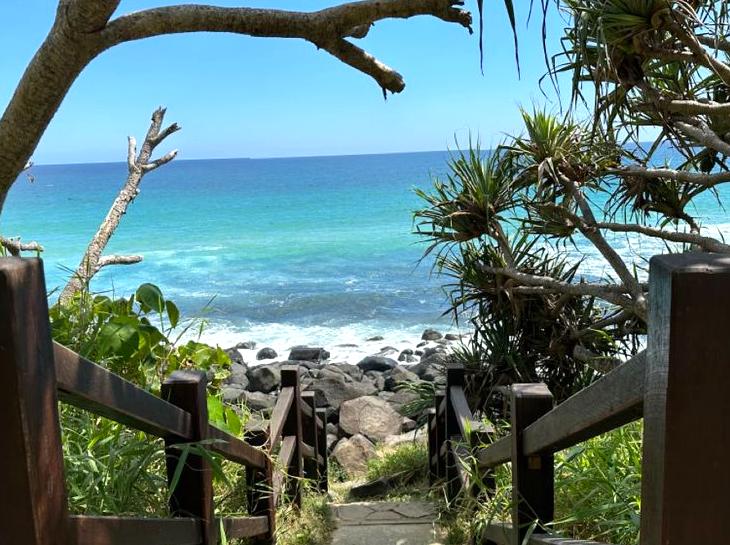
Australia boasts some of the most breathtaking landscapes and diverse terrains on the planet, making it an ideal destination for family road trips. From golden beaches to lush rainforests and outback adventures, families can create unforgettable memories together. This article highlights the best family road trips in Australia, covering scenic routes, popular attractions, and tips to ensure a smooth journey. Here, you’ll discover not only the joys of traveling together but also unique experiences that cater to every family member’s interests.
Contents
The Great Ocean Road

The Great Ocean Road is a quintessential Australian experience, renowned for its stunning coastal views and natural attractions. Stretching over 240 kilometers, this scenic route begins in Torquay and culminates in Allansford. Families can stop off at various lookout points to take in the breathtaking views of the Twelve Apostles, which are iconic limestone stacks rising majestically from the ocean. Additionally, the charming towns along the way—such as Lorne and Apollo Bay—offer delightful eateries and plenty of opportunities to stretch your legs with beach walks and playgrounds. While driving, keep an eye out for kangaroos lounging in the fields or koalas nestled in eucalyptus trees. With its combination of vibrant landscapes and family-friendly activities, the Great Ocean Road is a must-do road trip for families visiting Australia.
East Coast Adventures: Sydney to Cairns

The East Coast of Australia presents another fantastic family road trip from Sydney to Cairns, covering over 2,500 kilometers of stunning beaches, rainforests, and vibrant cities. This road trip allows families to explore iconic destinations such as Byron Bay, the Gold Coast, and the Whitsundays. Along the route, families can embrace various activities—from surfing lessons in Byron Bay to snorkelling in the pristine waters of the Great Barrier Reef near Cairns. With plenty of stops available, families can also visit wildlife parks where children can interact with native Australian animals such as kangaroos and koalas. The landscape is beautifully diverse, from bustling cities to serene beach towns, making it an enriching experience for everyone. While planning your stops, consider scheduling enough downtime for relaxation, ensuring that the journey is as enjoyable as the destinations.
The Outback Explorer: Alice Springs to Uluru

For families craving adventure, the Outback road trip from Alice Springs to Uluru is a journey of cultural significance and natural beauty. This stretch of around 450 kilometers unveils the heart of Australia, offering a unique insight into Indigenous culture and the iconic red desert landscapes. Families can visit the Alice Springs Desert Park to learn about the region’s flora and fauna before hitting the road towards the majestic Uluru. The sight of Uluru at sunset is something no family should miss, as the rock’s colors transform in the fading light. Additionally, participating in guided walks around the base of Uluru can impart knowledge about its cultural importance. Along the way, the scenery evolves from arid desert to stunning viewpoints, making it an experiential trip worth taking. Remember to pack enough water and supplies, as amenities can be sparse in the Outback.
Great Barrier Reef Drive
Spanning the coastline from Cairns to Port Douglas, the Great Barrier Reef Drive offers families the opportunity to combine scenic drives with thrilling aquatic adventures. This drive is not just about the ocean; it allows visitors to experience lush rainforests, quaint seaside villages, and an array of wildlife. Families can stop at picturesque beaches along the way for a refreshing swim, or they might choose to join a snorkeling trip. Beautiful sites such as Mossman Gorge and the Daintree Rainforest provide a chance to explore the unique biodiversity of the region, making it educational for the little ones. Moreover, the ferry to the Great Barrier Reef is a family-friendly adventure, where you can witness sea turtles and colorful fish in their natural habitat. Bringing along a picnic or utilizing the numerous food outlets will ensure that families stay fueled for their day of exploration.
Conclusion
Australia’s diverse landscapes and unique experiences create some of the best family road trips imaginable. From the awe-inspiring sights along the Great Ocean Road to the cultural richness of the Outback, each journey offers something different. Whether you are navigating coastal routes or exploring the heart of the country, these family road trips are designed to create lifelong memories filled with adventure, education, and bonding time. Preparing for a road trip can be as simple as ensuring you have all the necessary gear and snacks, along with planning your stops for a smoother travel experience. Each road trip mentioned not only showcases Australia’s natural beauty but also accommodates the interests of family members, making every journey a thrilling adventure for all.
FAQs
The best time for family road trips in Australia is during the spring (September to November) and autumn (March to May) seasons, as the weather is generally mild and pleasant across many regions.
2. How can families prepare for long road trips?
Families should pack plenty of snacks, beverages, and entertainment for the kids, and ensure that the vehicle is serviced and ready for long distances. Planning rest stops and activities along the way is also crucial for a smooth journey.
3. Are there family-friendly accommodations along these routes?
Yes, there are numerous family-friendly accommodations, including motels, cabins, caravan parks, and resorts that cater to families traveling on road trips, often offering activities for children.
4. Can families take their pets on these road trips?
Many accommodations and campgrounds in Australia are pet-friendly, but it’s always best to check in advance and confirm any specific policies regarding pets at different locations along the road trip routes.
5. What are some safety tips for road trips with kids?
Ensure all children have appropriate seating arrangements, such as safety seats, and focus on regular breaks to stretch, explore, and refresh. Keeping emergency supplies and engaging children in fun games can also enhance safety and enjoyment.