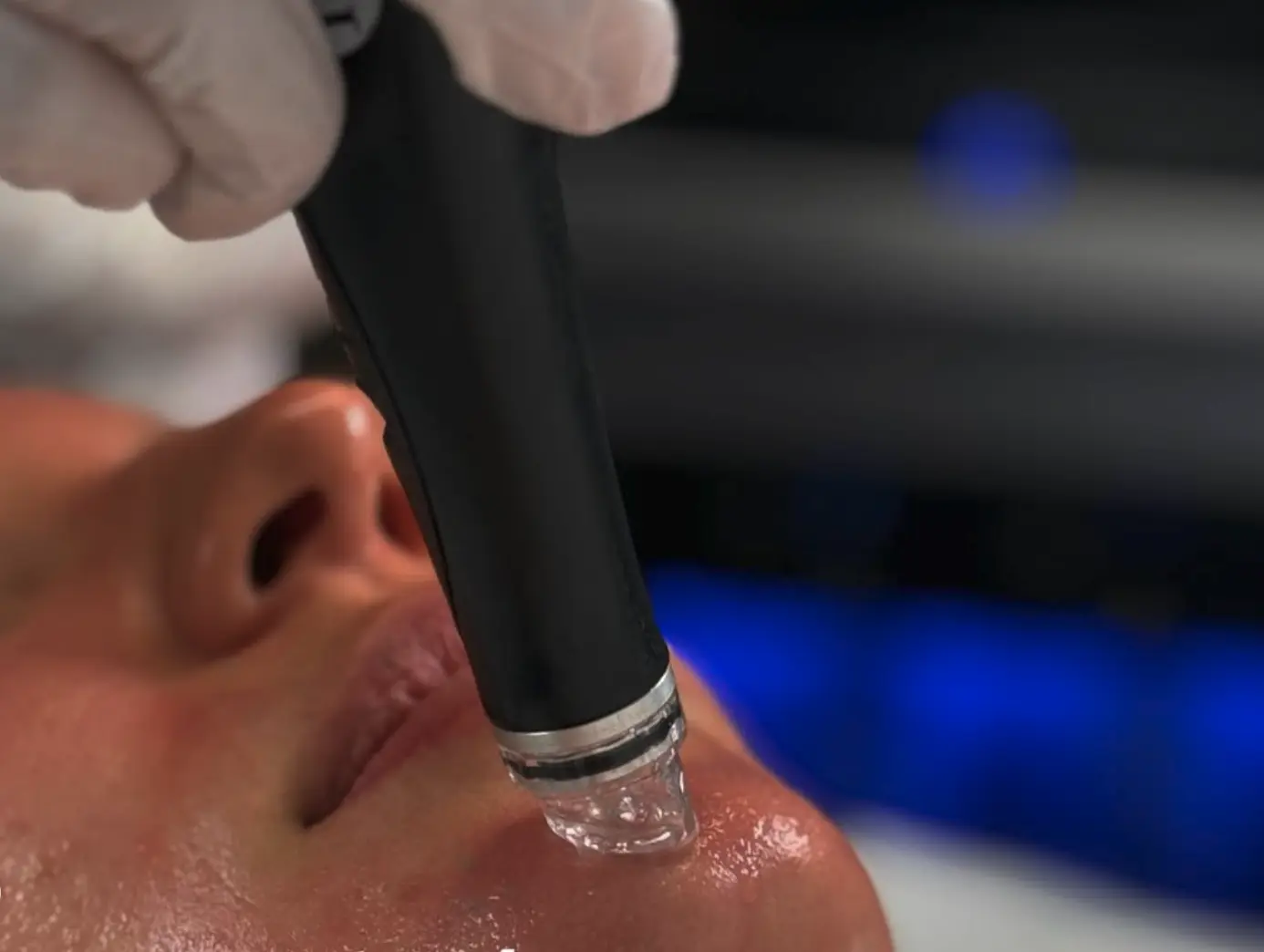
Is the ‘Dermalux Flex’ at home enough, or do I need the in-clinic HydraFacial light therapy? It’s a question I hear constantly in the treatment room at The Facial Hub, especially from clients who use home LED face masks and wonder why their results have plateaued despite consistent red light therapy.
Let me be honest with you — both options can support your skin health, but they deliver results in very different ways. One works gently over time, while the other uses professional-grade equipment to actively correct skin concerns at a deeper level.
Contents
- 1 How At-Home LED Devices Support Everyday Skin Health
- 2 Why In-Clinic Treatments Deliver Visible Skin Change
- 3 Comparing Performance, Results, And Investment
- 4 What’s Changing In LED Skincare In 2026
- 5 Why Brisbane Skin Often Needs A More Targeted Approach
- 6 How To Choose The Right Approach For Your Skin
- 7 What Happens During A Professional Session
- 8 Final Thoughts: Choosing What Will Actually Move The Needle
- 9 FAQ
How At-Home LED Devices Support Everyday Skin Health
At-home devices like Dermalux Flex are designed to be consistent, not intense – that’s the key to skin rejuvenation.
They use wavelengths of light that are proven to work – red light, blue light, and near-infrared – which are measured in nanometre ranges and help stimulate all the right cellular processes. They boost collagen production, calm inflammation, and help with acne by targeting pathways that kill acne-causing bacteria.
Where It Works Best
- Keeping the results going in between clinic visits
- Supporting mild skin issues like breakouts or redness
- Fostering collagen production from red light over time
- A gentle use that works across different skin tones
When you use it consistently, a home LED face mask can make a difference – but it’s a slow one, and I find that clients often get a bit too excited with how long it takes to see results.
Where It Falls Short
There’s a thing that often gets overlooked: the power output and energy density of a device really do affect how well it works.
- Collagen production is slower
- They don’t do much for deeper skin concerns like brown spots
- They just don’t have the same impact as proper clinic-grade devices
Now, before you think it’s useless – it’s not. It’s just working at a different level of energy within the skin.
Why In-Clinic Treatments Deliver Visible Skin Change
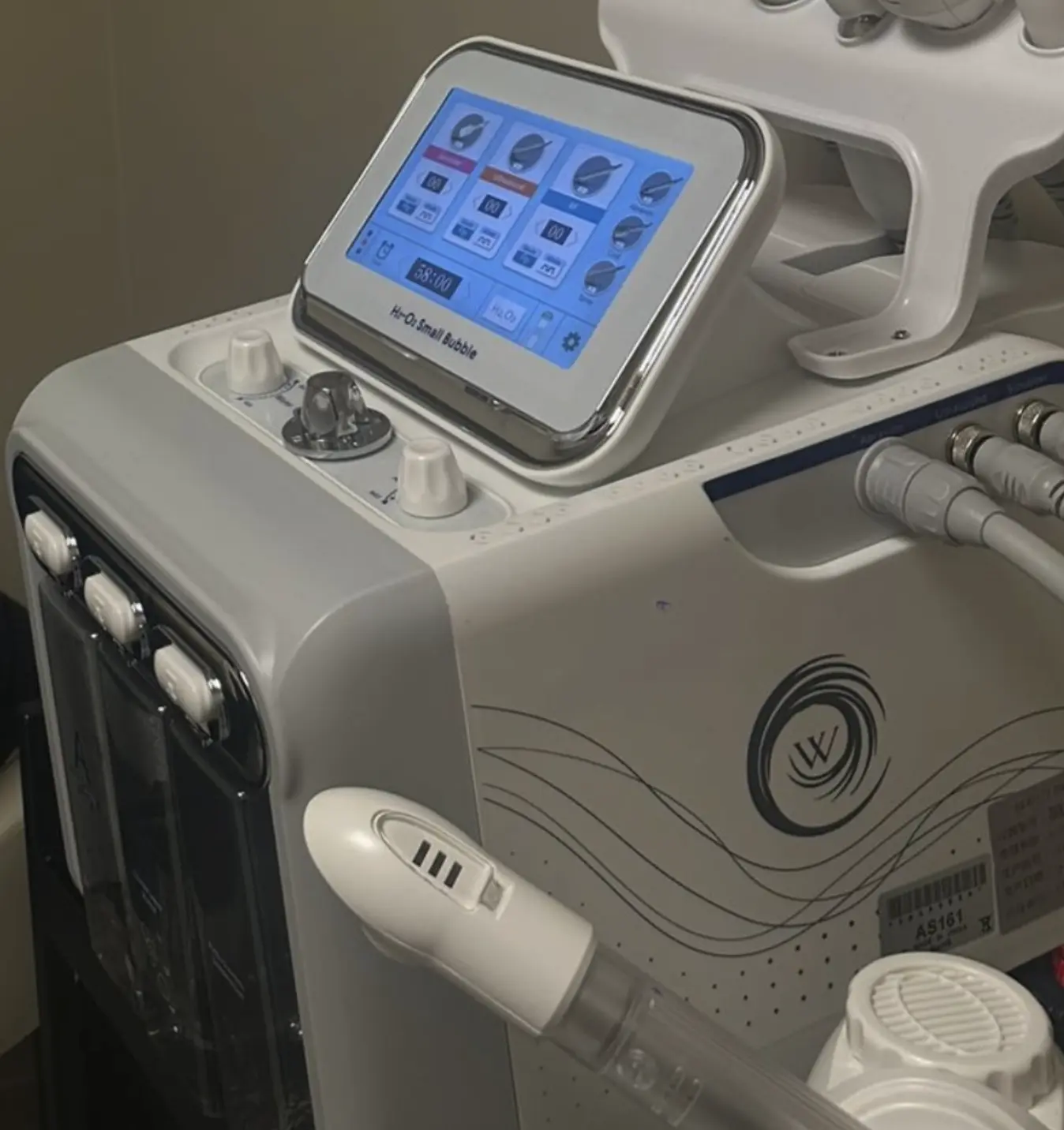
This is where things really start to shift – and why many of our clients eventually decide to take their skin care to the next level with in-clinic treatments, when they want to see real results.
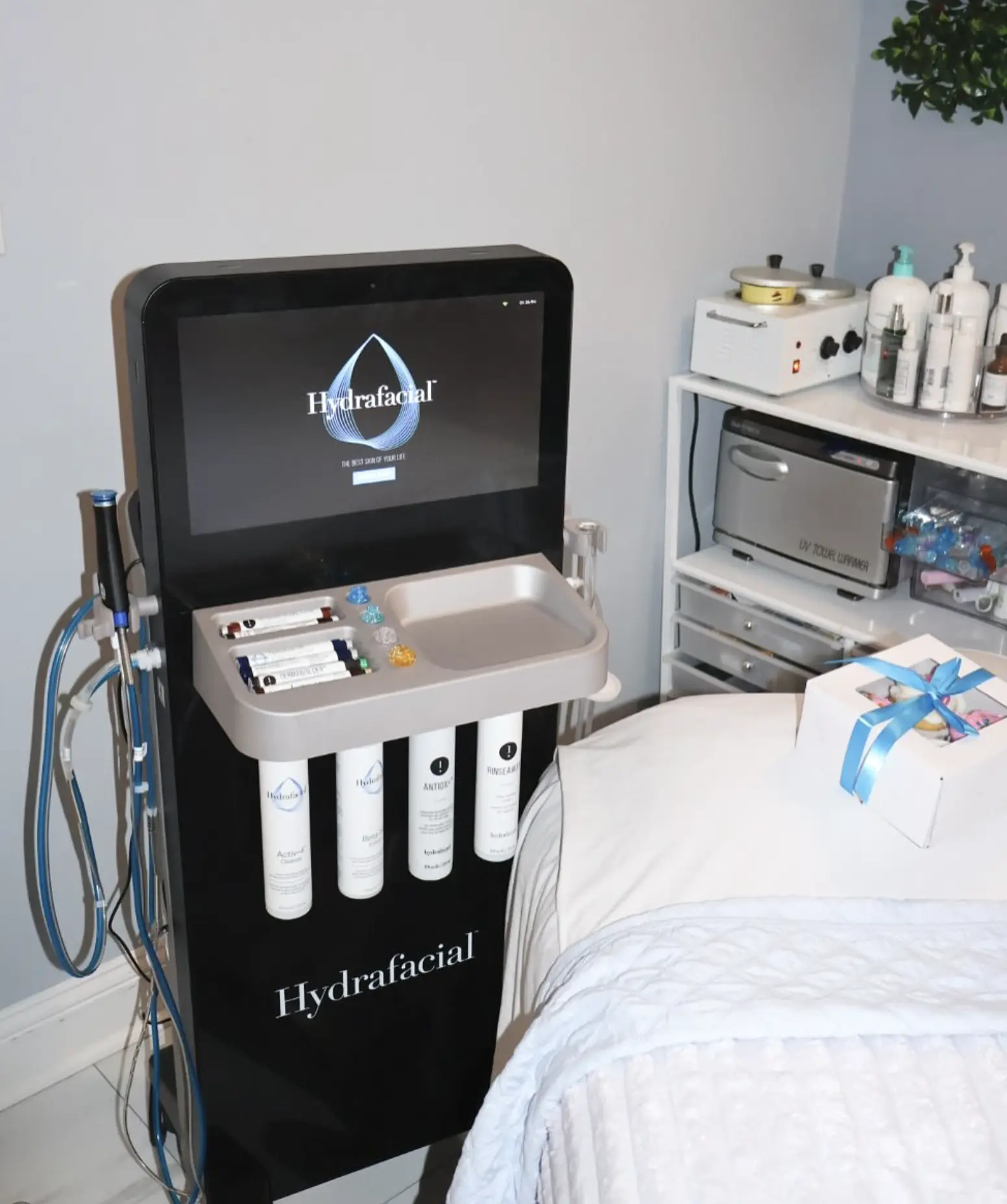
A HydraFacial paired with red light therapy is a game-changer – combining a deep clean with the power of high-end LED technology. Even before the light makes contact with your skin, we’ve already got the treatment area ready with exfoliation, hydration and targeted serums.
Why Preparation Changes Everything
- Clear out congestion and debris blocking light penetration
- Boost cellular activity with active ingredients
- Deliver a fully customised treatment based on a proper skin assessment
This allows infrared and near-infrared light to penetrate deeper into the skin, significantly improving skin rejuvenation and collagen production.
What Makes Clinic Technology Different
- High power output with controlled energy delivery
- Precision targeting of specific wavelengths
- Treatments tailored to individual skin concerns
- Strict hygiene protocols and eye protection
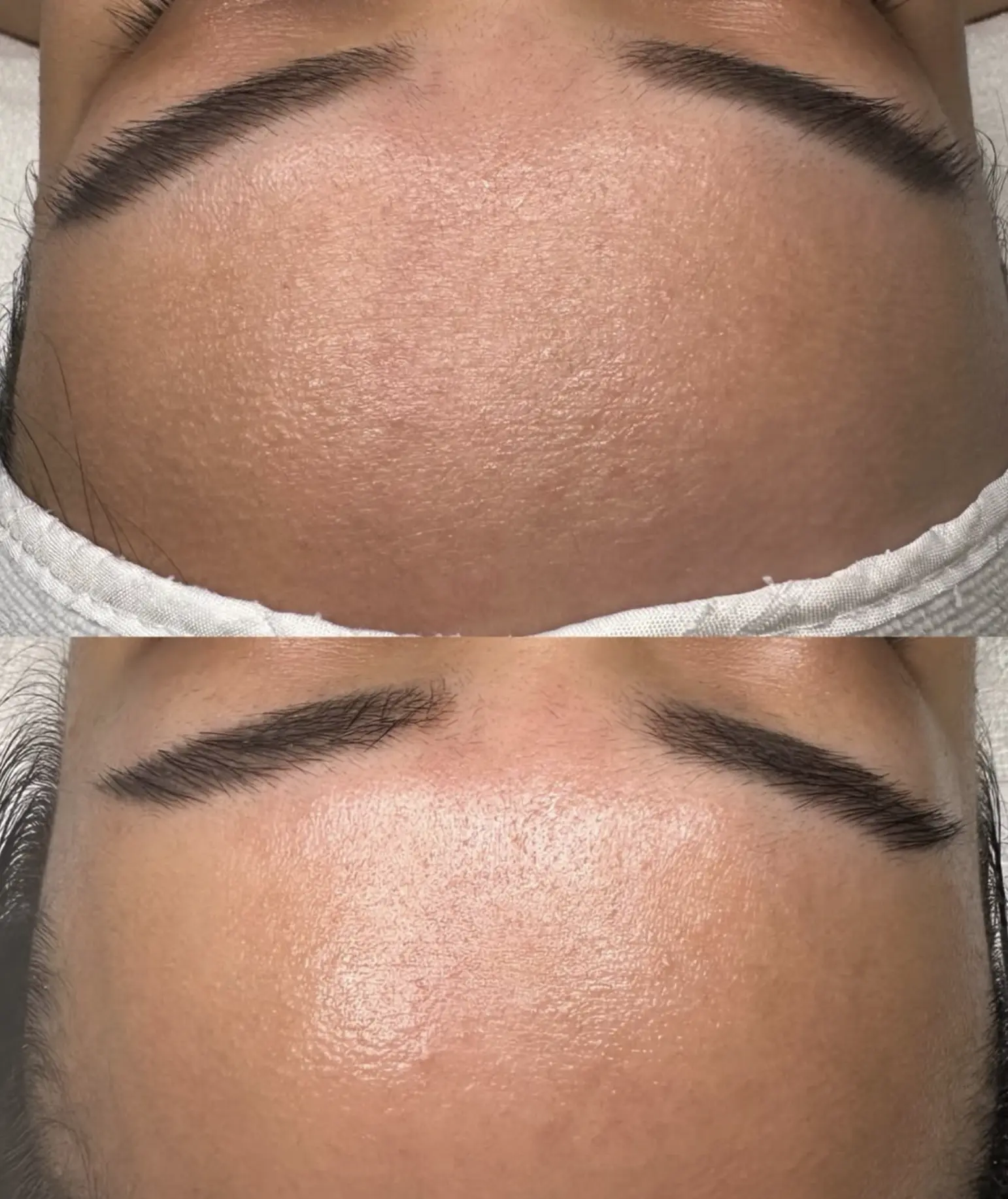
I still remember this one client from Brisbane – she was struggling with PIHS and barrier damage from overdoing at-home treatments. Her LED mask helped a bit, but once we got her into the clinic, we saw serious results – her acne cleared and her skin texture improved within weeks.
And yeah, cost is a factor – but the hydrafacial price in Brisbane reflects more than just the device – it’s the expertise and system behind it.
Comparing Performance, Results, And Investment
| Feature | Dermalux Flex At Home | HydraFacial LED In Clinic |
|---|---|---|
| Intensity | Low–moderate | High (clinic-grade) |
| Power Output | Limited | High-energy density |
| Penetration Depth | Superficial | Deeper tissue |
| Results Speed | Gradual | Faster |
| Skin Prep | None | Full preparation |
| Customisation | Fixed | Tailored |
| Best For | Maintenance | Correction + rejuvenation |
| Typical Cost | $2,000–$3,500 | $180–$300 per session |
Pricing is indicative as of 2026 and may vary.
What’s Changing In LED Skincare In 2026
LED light therapy is becoming one of the most talked-about non-invasive treatments – and for good reason.
- Red light therapy boosts collagen and improves skin elasticity
- Blue light targets acne-causing bacteria
- Near-infrared light accelerates healing and cellular activity
In 2026, experts are layering LED with other treatments for more advanced skin rejuvenation results.
| 2026 Skincare Trend | Insight |
|---|---|
| Combination protocols | LED + exfoliation improves outcomes |
| Barrier repair focus | Rise in sensitised skin |
| At-home device growth | Users upgrading to clinics |
| Personalised care | Skin assessments driving results |
Why Brisbane Skin Often Needs A More Targeted Approach
Brisbane’s climate puts serious pressure on your skin – heat, humidity and UV exposure all contribute to congestion, inflammation and faster barrier breakdown.
That’s why many people feel like their home LED masks aren’t enough – the issue isn’t the device, it’s that the underlying skin condition hasn’t been properly addressed.
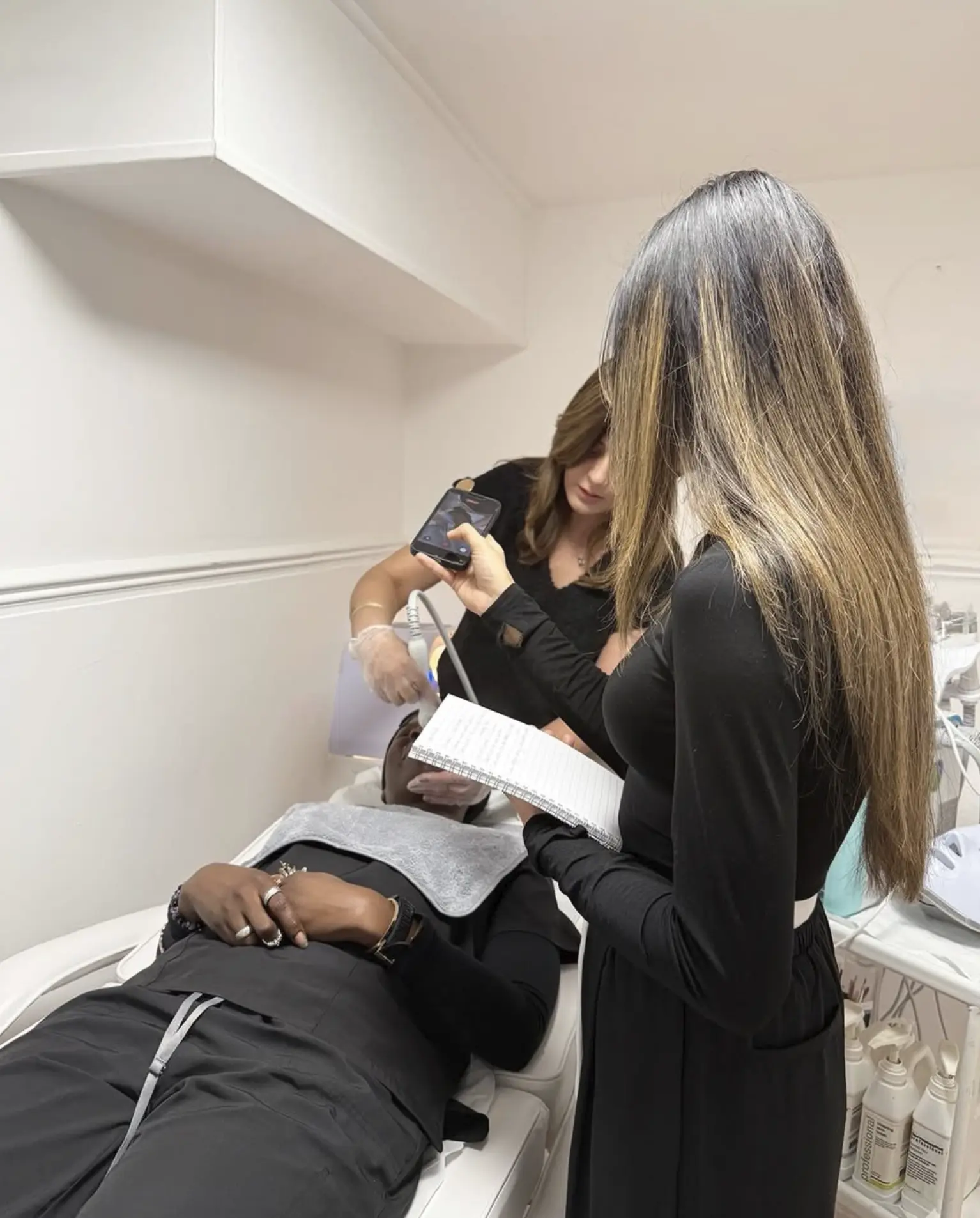
In clinic, we focus on creating the right skin environment so LED therapy can actually work effectively.
How To Choose The Right Approach For Your Skin
Here’s the honest breakdown:
- For maintenance → at-home LED is fine
- For active skin concerns → clinic treatments work better
- For best results → combine both approaches
When clients ask about value, I always explain that the hydrafacial price in Brisbane reflects the full system – not just the device.
What Happens During A Professional Session
A professional session is all about precision at every stage.
- Pre-treatment skin assessment
- Cleanse and gentle exfoliation
- Application of active ingredients
- Targeted LED therapy with proper eye protection
Afterwards, your skin feels hydrated, calm and refreshed, with visible improvements in texture and clarity over the following days.
Final Thoughts: Choosing What Will Actually Move The Needle
LED technology is powerful – but it’s not a one-size solution.
At-home devices are excellent for maintenance, while in-clinic treatments deliver real correction. Together, they create a balanced skincare strategy that actually works.
FAQ
Can a home LED device deliver professional-level results?
It can support your skin health, but it won’t match the depth and intensity of clinic treatments.
Why do professional treatments work faster?
They use higher energy output, deeper penetration, and proper skin preparation.
Is LED safe for sensitive skin?
Generally yes — especially when customised correctly.
When should LED be avoided?
If you have photosensitive conditions or are on certain medications, always get professional advice.
When should you upgrade to in-clinic treatments?
If your results plateau or your skin concerns are more complex, it’s time to step up.