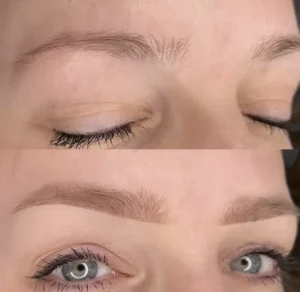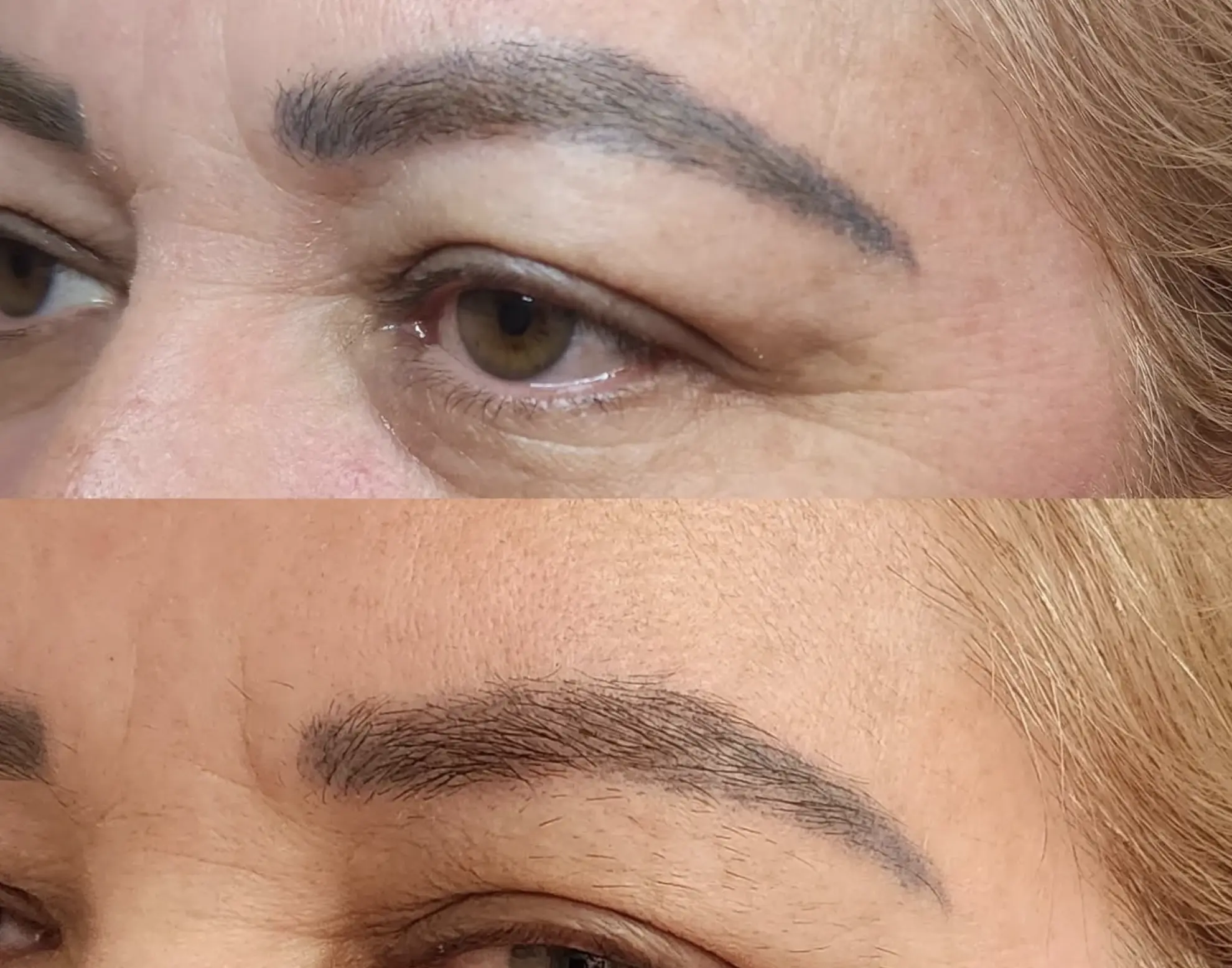
Microblading eyebrows has become one of the most popular semi-permanent makeup techniques for fuller, more defined brows. But it’s not always recommended for over 55’s. If you’re considering microblading but fall into this age group, here’s what you need to know before you decide.
Contents
1. Thinner, More Fragile Skin
As we age, our skin gets thinner, more fragile and loses elasticity. This makes microblading more challenging as the skin may not retain pigment as well. The healing process can be longer and more complicated with risks of scarring, excess bleeding or uneven pigment retention. Aged skin texture makes it hard for hair strokes to look crisp and natural. The skin layer is more prone to microblading session challenges and individuals may experience redness or irritation after the procedure.
2. Slower Healing
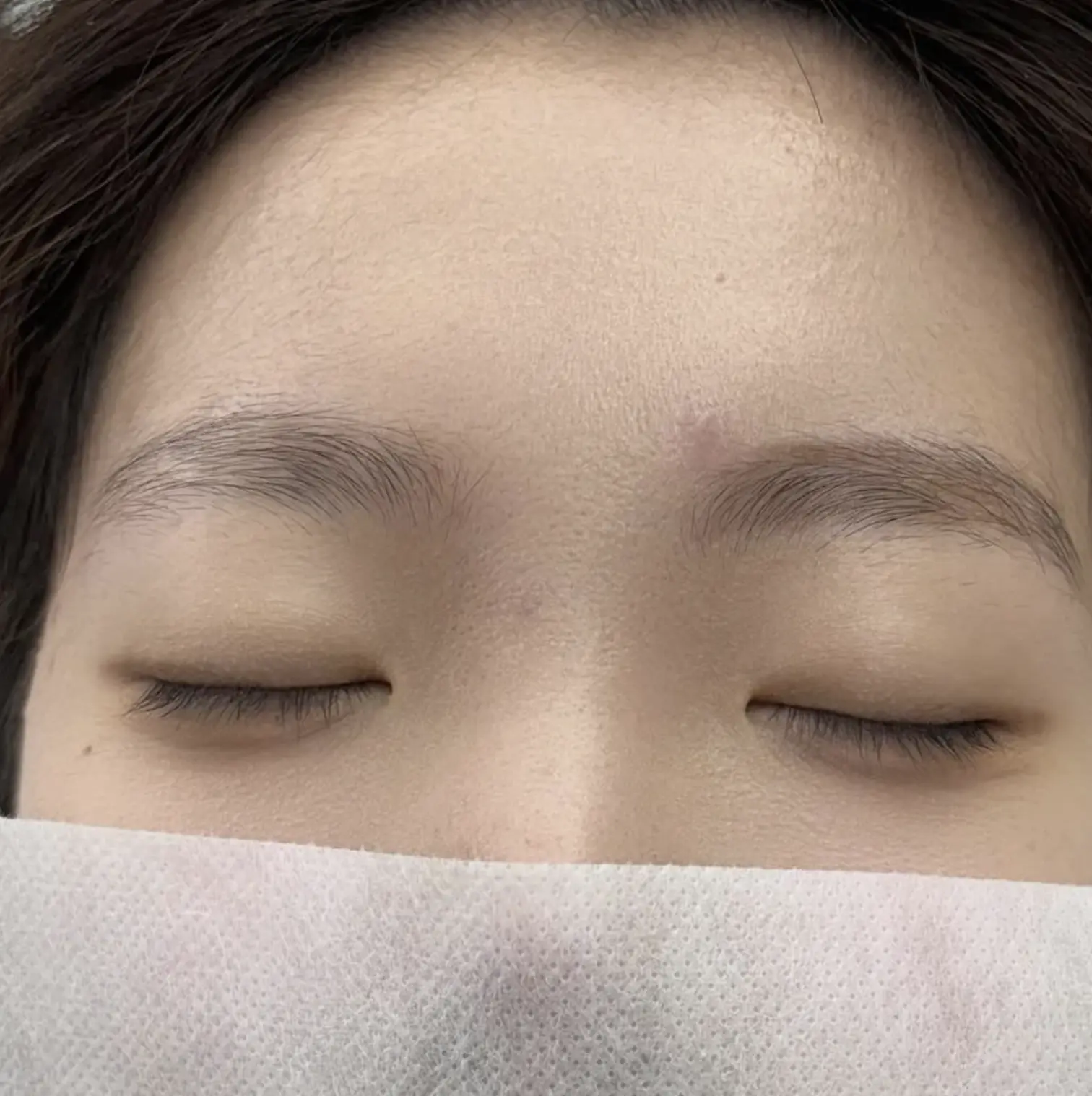
Our body heals slower as we age. Microblading involves creating tiny cuts in the skin’s surface using a handheld tool so it requires an efficient healing response for optimal results. Older skin takes longer to heal, and this can result in pigment fading faster, uneven brows or visible scar tissue. Those with dry skin or loose skin may struggle to retain organic pigments. Some may benefit more from alternative techniques that suit aged skin. Proper aftercare including gentle cleansers and minimal sun exposure is crucial in managing the healing process.
3. Less Collagen and Oil
Collagen and natural oils are what keep the skin plump and moist. As we age the reduction of these factors affects how the pigment settles in the skin. This often results in microbladed brows that blur or fade prematurely, diminishing the long-term results of the beauty treatment. Oily skin types may also experience faster pigment fade as excess oils push the pigment out of the skin surface. Other skin types should consult a microblading professional to determine the best approach for their treatment.
4. Existing Skin Conditions and Medical Considerations
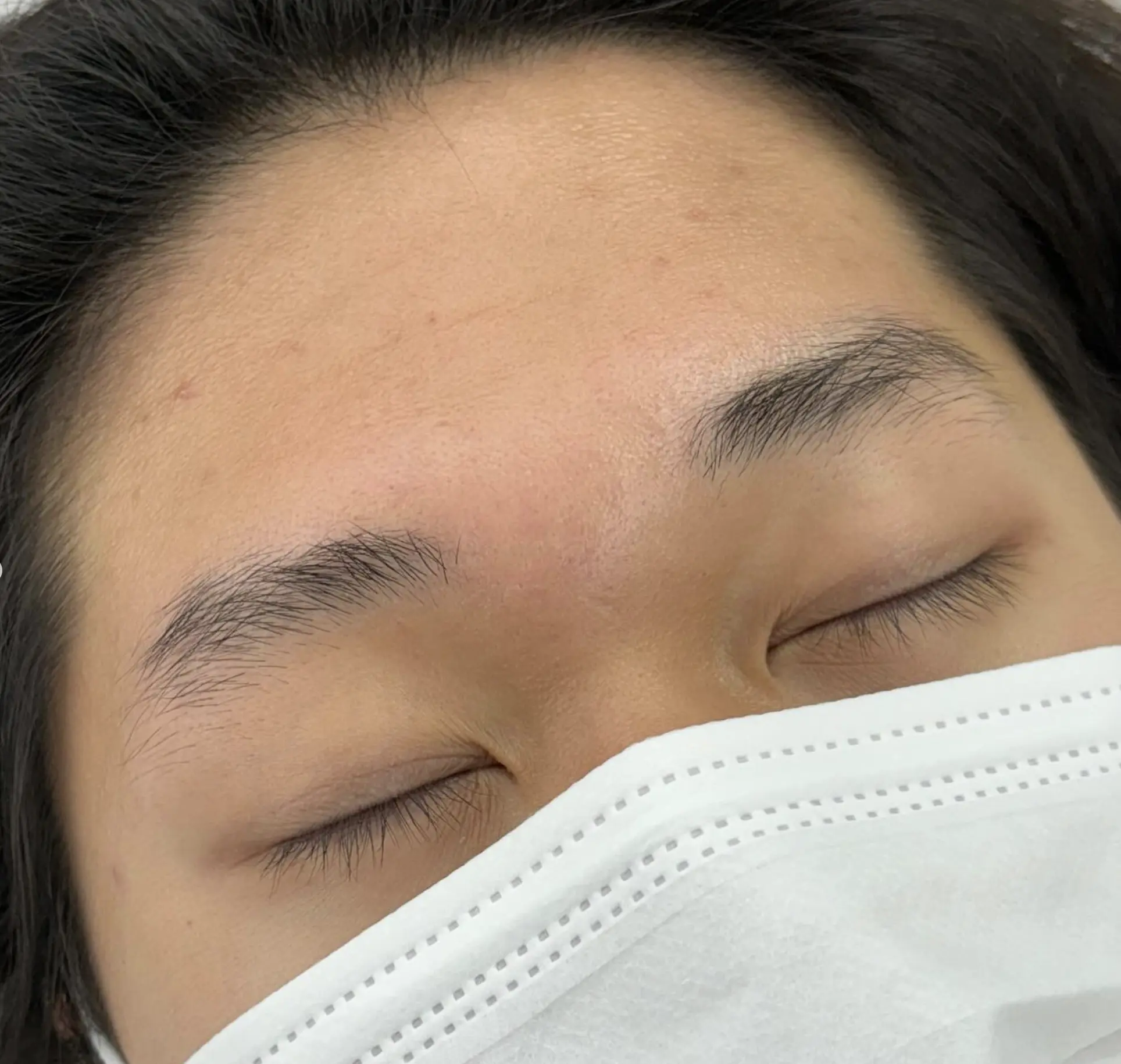
Many people over 55 have skin conditions such as rosacea, thin skin or dry skin. These can cause unpredictable healing and pigment retention issues. Certain medical conditions and medications such as blood thinners can increase the risk of excessive bleeding making the microblading process more difficult. People undergoing chemotherapy or having active skin cancer should not get microbladed. It’s also important to consider communicable blood conditions before getting a beauty treatment. Consulting with medical professionals before getting a beauty treatment gives you peace of mind and reduces risks.
5. Alternative Brow Enhancement Options
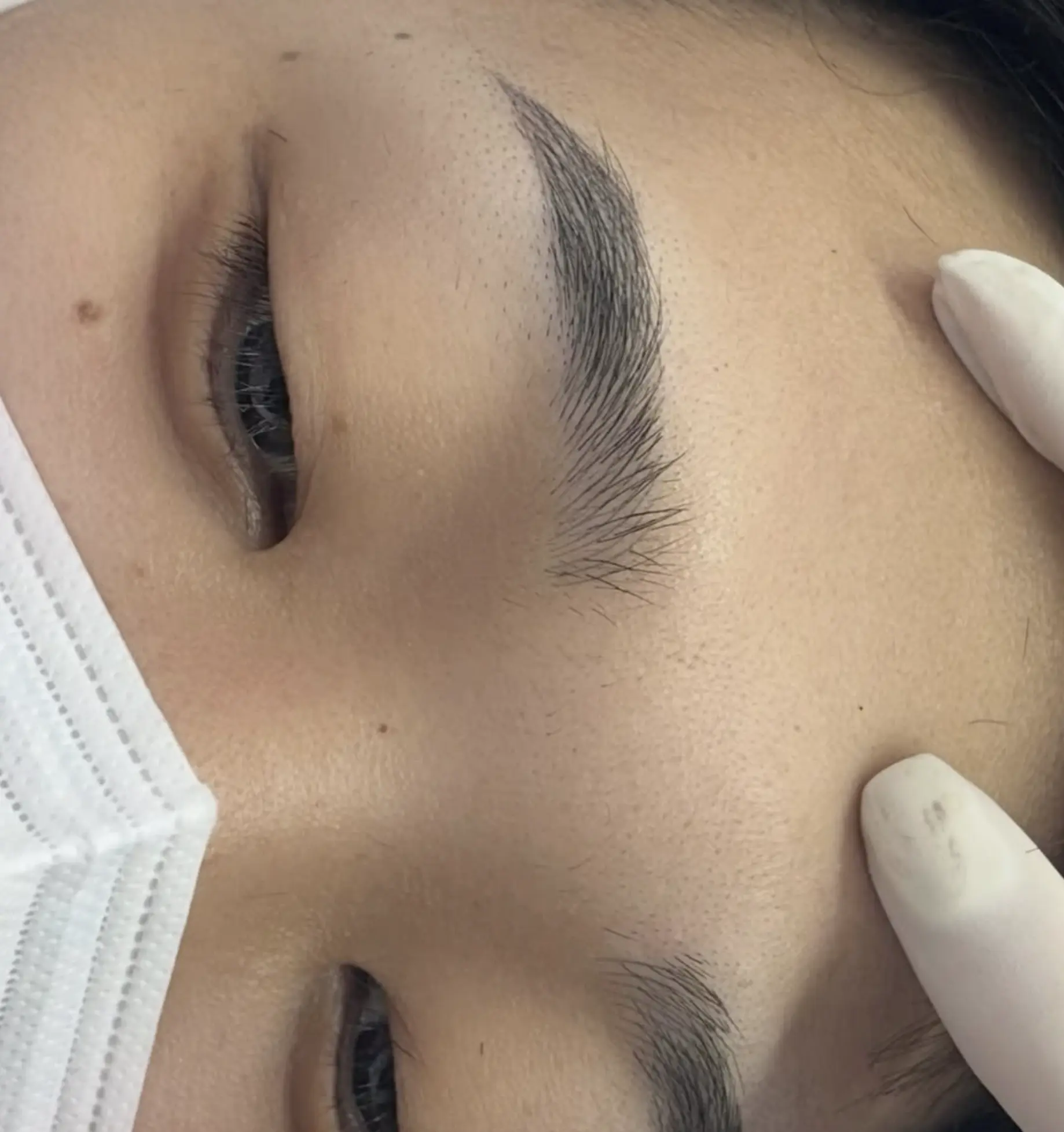
If you’re over 55 and want to enhance your brows there are other options that may be more suitable for you. Powder brows or ombré brows which is a soft shading technique rather than hair-like strokes tend to work better on mature skin. These methods allow for more even pigment distribution and less trauma to the skin. Eyebrow transplants may also be an option for some microblading candidates who want a permanent solution for sparse brows. Some people who have done a Microblading course may also be able to share techniques that work better for older skin. The beauty industry is always evolving with non-invasive treatments that fit beauty trends and effortless beauty ideals.
Conclusion
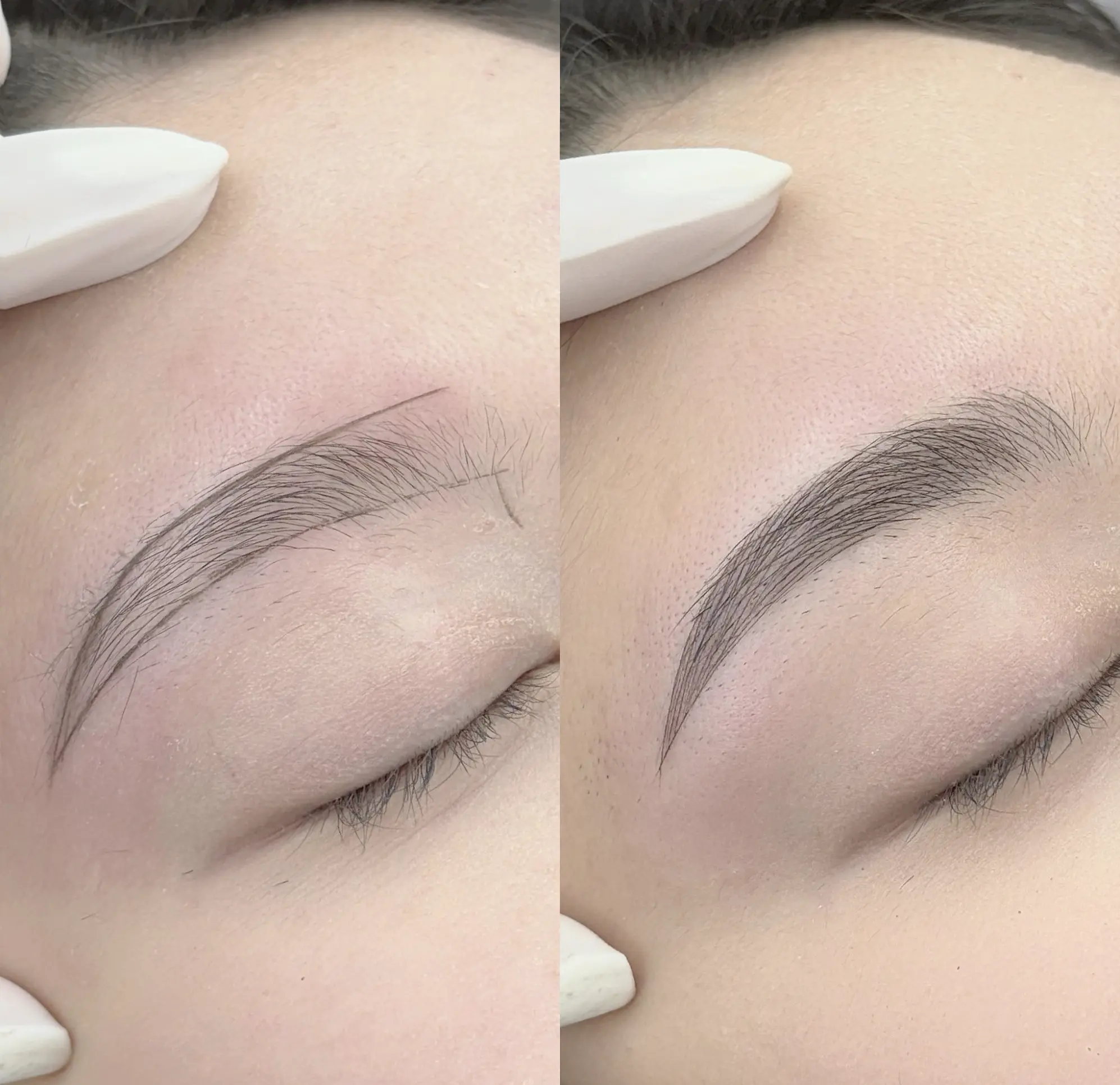
Microblading can be great for many but not for those over 55 due to the natural changes in skin structure and healing capacity. If you want to enhance your brows consult with a skilled technician or microblader who can recommend the best technique for your skin type and age. It’s always best to go to a certified microblader who understands the skin of older skin and how beauty trends influence modern beauty treatments. If you’re interested in other cosmetic tattoo, like eyeliner tattoo in Melbourne or cosmetic eyebrow tattoos in Brisbane do your research before committing to a treatment.
By considering all these factors you can make informed decisions about eyebrow microblading and explore other options that suit your beauty goals. Microblading is an art that’s always evolving and with the right approach beautiful, natural-looking brows are achievable for everyone regardless of age.
FAQ
Can I still get microblading if I’m over 55?
Yes, but it depends on your skin. A consultation with a microblading artist is necessary to determine if microblading is right for you or if a different technique, like powder brows, would be better.
What are the best brow options for mature skin?
Powder brows or ombré brows are often better for mature skin as they create a soft, filled-in look without the risks of traditional tattoo hair strokes.
How long do alternative brow tattoo techniques last?
Powder brows and ombré brows last 2-3 years with proper aftercare, while microblading on mature skin may fade much sooner due to skin cell turnover.
Are there any risks if I get microblading after 55?
Yes, risks include slower healing time, pigment fading, scarring, and unpredictable retention due to thinner skin and reduced collagen production. There’s also a higher chance of an allergic reaction to the pigments used in the process.
What should I do before I decide on a brow procedure?
Schedule a consultation with a skilled microblading artist who can assess your skin and recommend the best treatment for you. Follow all aftercare instructions, avoid sun exposure, use gentle cleansers and check with medical professionals if you have underlying medical conditions that may affect the outcome of your treatment.