Cradle Mountain-Lake St Clair National Park, located in Tasmania, Australia, is a breathtaking natural reserve celebrated for its rugged mountains, pristine lakes, and diverse ecosystems. This article serves as your ultimate guide to explore this enchanting destination, covering everything from key attractions and hiking trails to wildlife and visitor tips. Whether you’re an avid hiker, a nature lover, or simply seeking solace in nature, this national park offers countless opportunities for adventure and tranquility.
Contents
Key Attractions of Cradle Mountain-Lake St Clair National Park
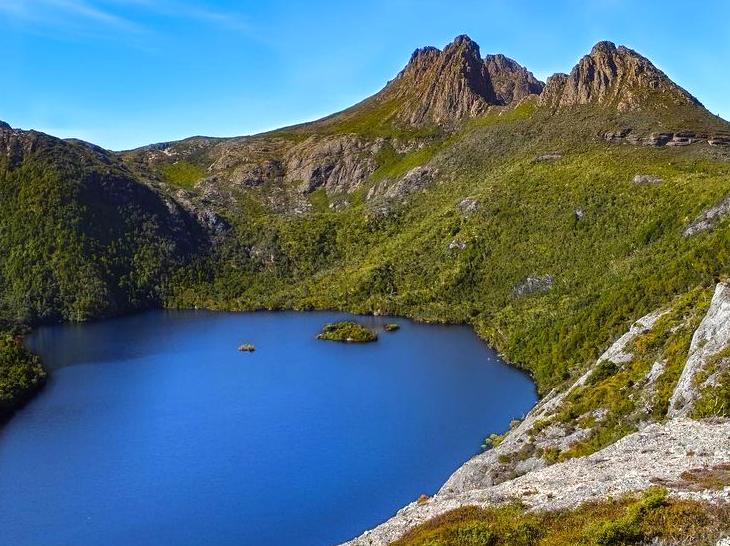
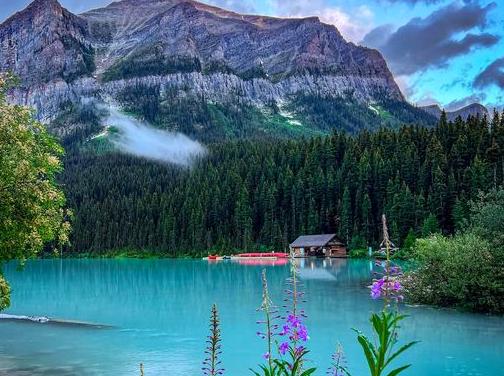
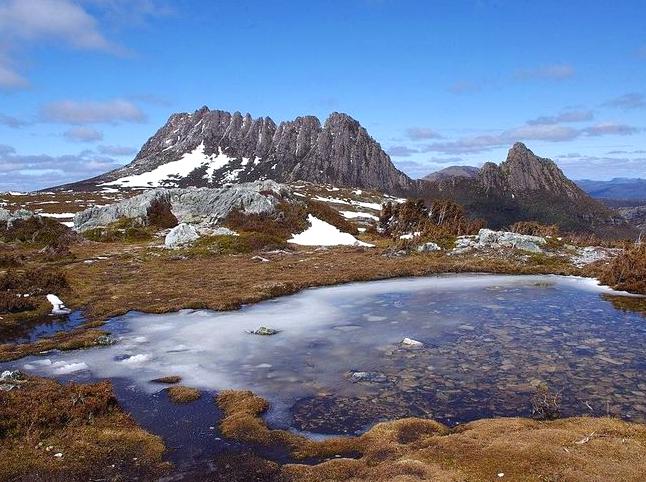
The park is renowned for several key attractions that showcase its natural beauty and unique biodiversity. The iconic Cradle Mountain itself stands as a formidable centerpiece, inviting both photographers and hikers to bask in its splendor. Lake St Clair, Australia’s deepest lake, presents a serene environment for those looking to unwind or indulge in water activities such as kayaking. Other notable attractions include the stunning Dove Lake, with its scenic walks, and the enchanting rainforest and alpine areas that harbor diverse flora and fauna.
In addition to these landmarks, visitors can witness a variety of wildlife, such as Tasmanian devils, wallabies, and more than 100 bird species, making it a perfect destination for wildlife enthusiasts. The combination of these attractions makes Cradle Mountain-Lake St Clair National Park a haven for outdoor activities and nature study, ensuring a memorable experience for all visitors.
Hiking Trails and Outdoor Adventures
Cradle Mountain-Lake St Clair National Park boasts an array of hiking trails suitable for all skill levels. The Overland Track is arguably the most famous trail, spanning 65 kilometers and taking around six days to complete. This well-marked trail provides stunning panoramic views, beautiful alpine landscapes, and opportunities to explore Tasmania’s unique wilderness.
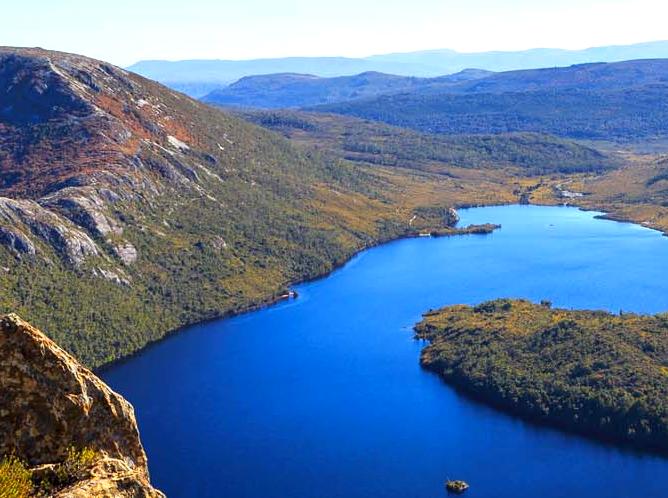
For those looking for shorter hikes, consider the Dove Lake Circuit, a 6-kilometer circular walk that showcases the breathtaking scenery surrounding the lake. Another popular option is the summit walk to Cradle Mountain, presenting a challenging yet rewarding ascent that offers incredible views from the top.
- Overland Track: 65 km, multi-day hike, panoramic views.
- Dove Lake Circuit: 6 km, easy, scenic walk.
- Cradle Mountain Summit: challenging ascent, breathtaking vistas.
Regardless of your chosen trail, be sure to come prepared with appropriate gear, food, and water, as the weather can change rapidly in this mountainous region. Engaging in outdoor adventures not only allows you to immerse yourself in nature but also presents a perfect opportunity to observe the local wildlife.
Wildlife Encounters
The park is home to a rich variety of wildlife, making it a fantastic spot for animal lovers and photographers alike. Wandering through the park, you may encounter iconic Australian animals such as the Tasmanian devil, echidnas, and various species of wallabies and kangaroos. Birdwatchers will delight in spotting native birds including the wedge-tailed eagle and the green rosella.
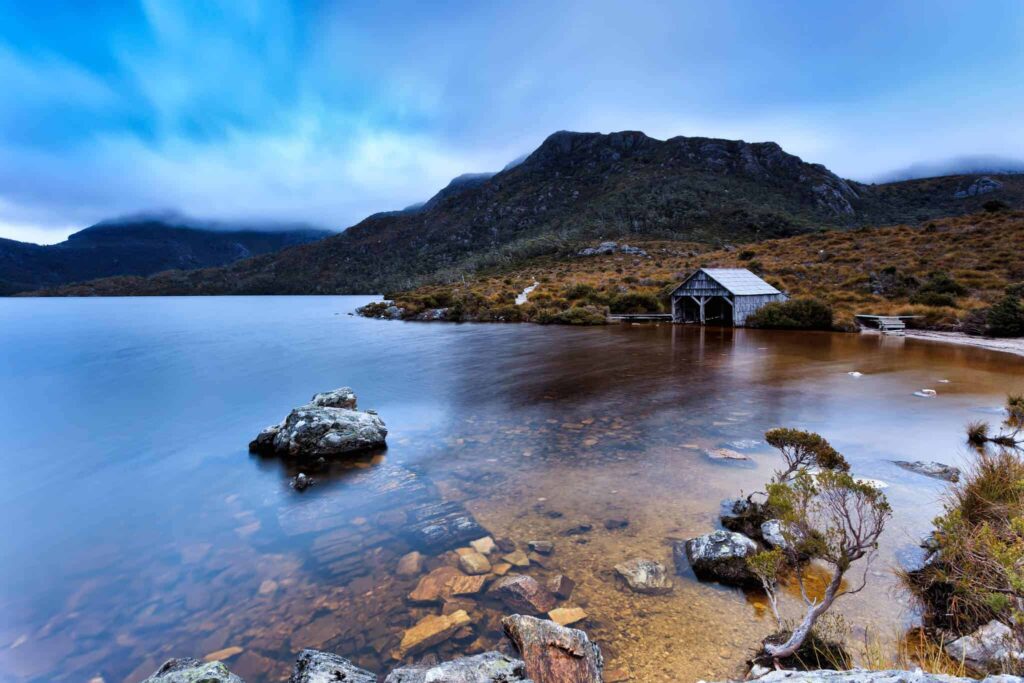
To increase your chances of wildlife sightings, plan your visits during dawn or dusk when animals are most active. Many visitors find engaging in a guided wildlife tour to be invaluable, as local guides have extensive knowledge of where to find these elusive creatures. Overall, the diverse wildlife within Cradle Mountain-Lake St Clair National Park adds an enriching layer to your experience in this breathtaking environment.
Visiting Tips for a Great Experience
Before setting off on your adventure, consider these essential tips for an enjoyable visit to Cradle Mountain-Lake St Clair National Park. Firstly, always check the weather conditions beforehand, as they can change quickly in the mountains. It’s advisable to dress in layers, wear sturdy hiking boots, and bring waterproof clothing, especially if you’re planning on hiking.
Secondly, ensure you have sufficient food and water, as facilities within the park can be limited. Additionally, parking spaces can fill up quickly, particularly during peak seasons. Arriving early in the day can help you secure a spot and enjoy a quieter experience.
Lastly, remember to be respectful of the environment by sticking to marked trails, observing wildlife from a distance, and taking all rubbish with you. By following these tips, you’ll enhance your experience and help preserve the natural beauty of Cradle Mountain-Lake St Clair National Park for future visitors.
Conclusion
Cradle Mountain-Lake St Clair National Park is a mesmerizing retreat for nature lovers and outdoor enthusiasts, offering an extensive array of trails, stunning landscapes, and diverse wildlife. Whether you’re hiking its captivating trails, marveling at its breathtaking vistas, or observing its rich biodiversity, the park provides an unforgettable experience for every visitor. By planning your trip with this guide, you can fully immerse yourself in the natural beauty and adventure that awaits—ensuring that your journey to this Tasmanian gem will leave a lasting impression.
Frequently Asked Questions (FAQs)
The best time to visit is during the spring (September to November) and autumn (March to May) when the weather is mild, and the landscapes are particularly vibrant.
2. Are there any entry fees for the park?
Yes, there are entry fees for Cradle Mountain-Lake St Clair National Park. An entry pass can be purchased at visitor centers or online.
3. What facilities are available for visitors in the park?
The park offers several facilities, including visitor centers, picnic areas, campsites, and huts along the Overland Track. However, amenities may be limited, so plan accordingly.
4. Can I camp in Cradle Mountain-Lake St Clair National Park?
Camping is allowed in designated areas within the park. Make sure to book your campsite in advance, especially during peak seasons.
5. How long does it take to hike the Overland Track?
The Overland Track typically takes around 6 days to complete, depending on your pace and selected side trips. It covers 65 kilometers of diverse terrain.