
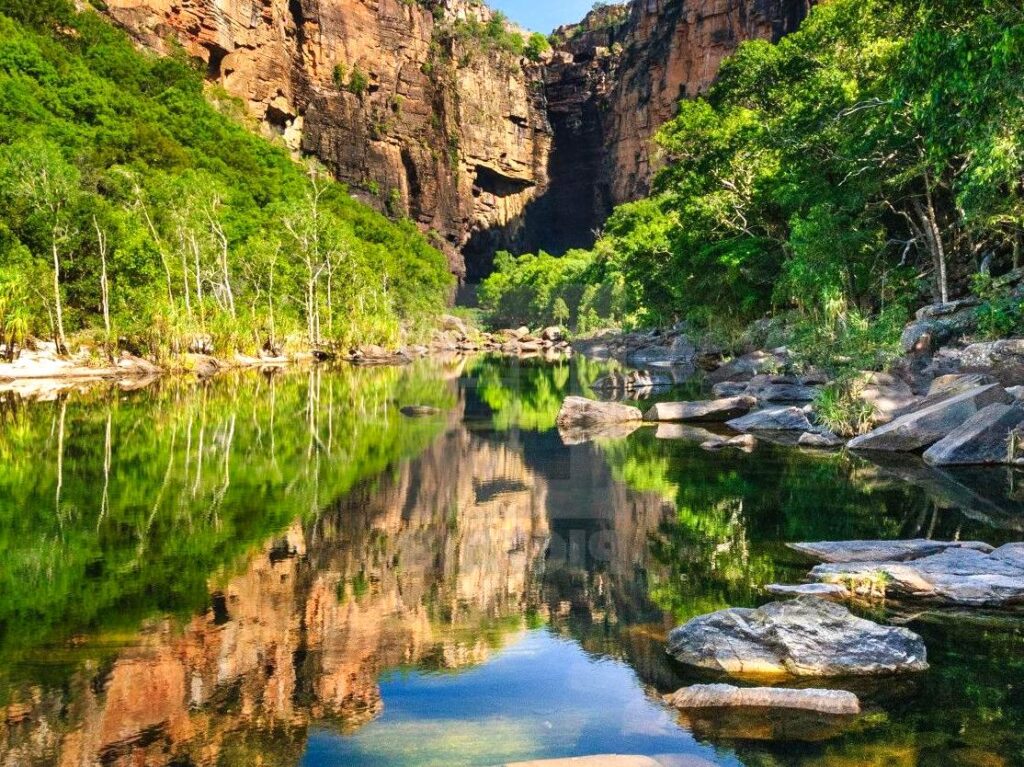
Nature and national parks are vital treasures of our planet, serving as sanctuaries for flora and fauna, as well as spaces for human recreation and connection to the earth. National parks protect diverse ecosystems, providing a home for countless species while offering breathtaking landscapes for visitors to explore. From the towering peaks of the Rocky Mountains to the serene forests of the Pacific Northwest, these protected areas showcase the best of what nature has to offer. In this article, we will delve into the significance of national parks, the experiences they provide, and how they play a crucial role in conservation efforts.
Contents
The Importance of National Parks
National parks serve several essential functions that go beyond mere scenic beauty. First and foremost, they are crucial for biodiversity preservation. By safeguarding natural habitats, parks help protect endangered species and maintain ecological balance. Moreover, national parks contribute to local and national economies through tourism, which creates jobs and fosters community development. The recreational opportunities they provide, such as hiking, camping, and wildlife observation, enrich the quality of life for many people. Furthermore, they serve as important areas for scientific research and education, allowing researchers to study ecosystems and the impact of climate change. Overall, national parks are invaluable assets that must be celebrated and preserved for future generations.
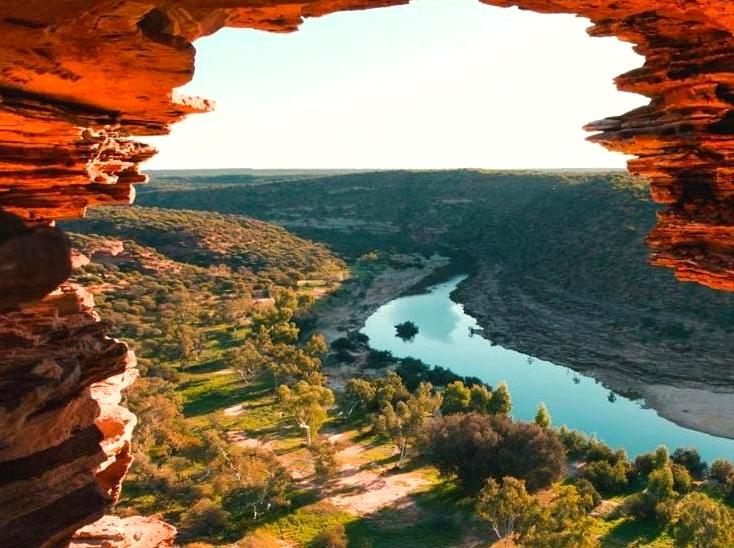
Experiencing Nature: Activities in National Parks
Visiting national parks offers a myriad of activities that appeal to a broad audience. Some popular activities include:
-
- Hiking: Trails range from easy walks to challenging backcountry hikes, allowing people of all fitness levels to enjoy the stunning scenery.
- Camping: Spend the night under the stars, reconnecting with nature in designated campgrounds or wilderness areas.
- Wildlife Photography: Capture the beauty of diverse wildlife in their natural habitat.
- Biking: Many parks offer designated biking trails, catering to adventurists looking for a thrilling ride.
- Ranger-led Programs: Participate in guided tours and educational activities to learn more about the park’s unique features.
These activities not only promote physical fitness but also allow for personal reflection and appreciation of nature. As we engage with the stunning surroundings, we foster a deeper connection with the environment and its inhabitants.
Conservation and Environmental Awareness
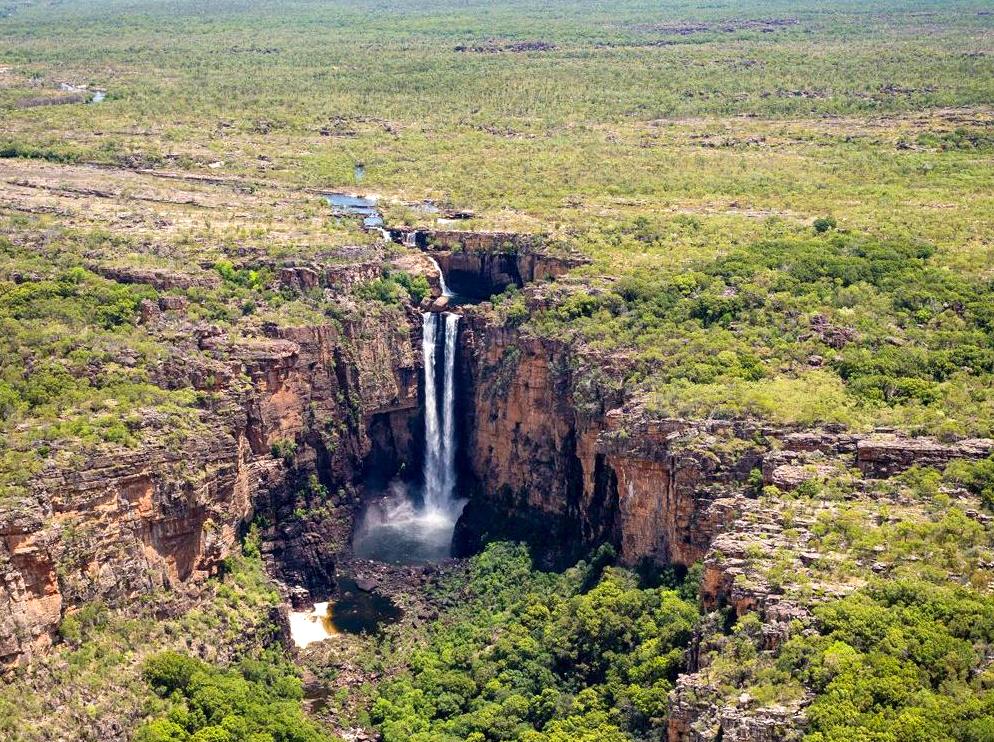
National parks play an indispensable role in conservation efforts, serving as refuges for biodiversity and facilitating ecological research. These parks offer protection from habitat destruction and pollution, which are rampant in many other areas. They also serve as living laboratories where scientists can study species interactions and climate change impacts. Furthermore, national parks raise public awareness of environmental issues and the importance of maintaining natural spaces. Through educational programs and outreach initiatives, parks encourage visitors to take action in their own communities, whether through supporting conservation efforts or practicing sustainable behaviors. By instilling a sense of stewardship, national parks empower individuals to become advocates for nature.
The Cultural and Historical Significance of National Parks
Many national parks are not just repositories of natural beauty; they are also rich in cultural and historical significance. From ancient Native American sites to preserved artifacts from early settler communities, these parks play a critical role in narrating our shared history. Visitors can explore petroglyphs, historical buildings, and interpretative centers that provide insights into the lives of those who came before us. National parks like Mesa Verde and Yellowstone illustrate how cultural and historical elements are intertwined with natural landscapes. By safeguarding these treasures, national parks ensure that future generations can appreciate the historical narratives that have shaped our nation.
Conclusion
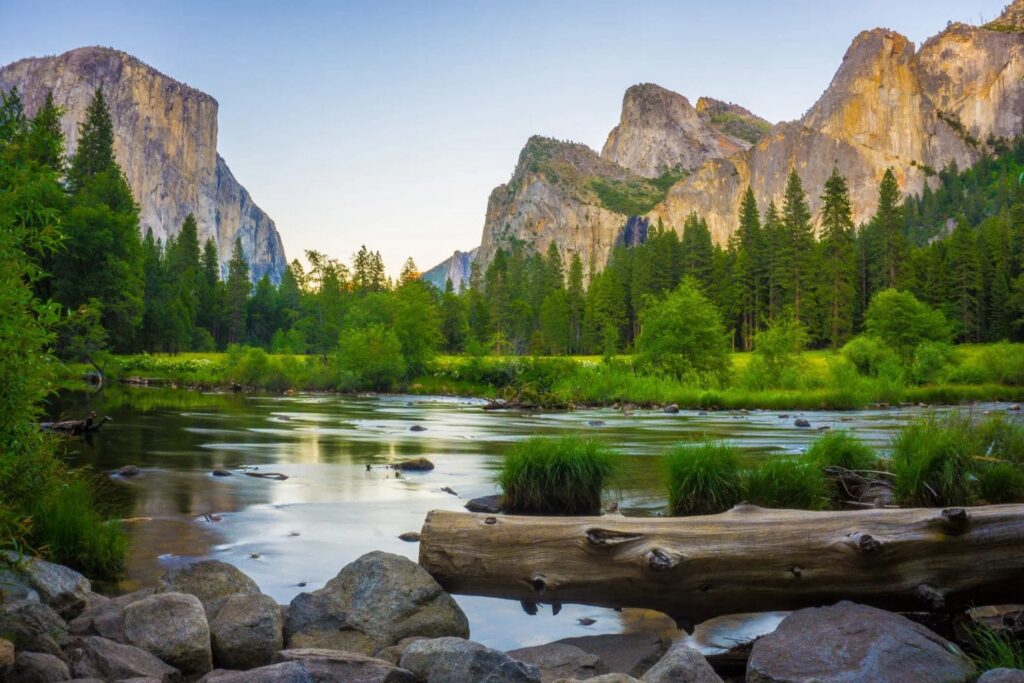
Nature and national parks are essential components of our planet, offering protection for invaluable ecosystems while providing obvious benefits to humanity. They serve as sanctuaries for millions of species, provide spaces for recreation and reflection, and play a crucial role in cultural conservation. By visiting and supporting national parks, we not only enrich our own lives but also contribute to the ongoing efforts to protect these irreplaceable treasures for generations to come.
FAQs
National parks provide safe habitats for endangered and threatened species, protecting them from habitat destruction and human encroachment.
2. How can I support my local national park?
You can support your local national park by visiting, volunteering for park programs, or donating to park foundation initiatives aimed at conservation and education.
3. Are national parks suitable for families?
Yes, national parks offer a variety of family-friendly activities, including easy hiking trails, camping sites, and educational programs led by park rangers.
4. What should I bring when visiting a national park?
When visiting a national park, it’s essential to bring water, snacks, appropriate clothing, a first-aid kit, and any specific gear needed for your chosen activities.
5. Can I camp in national parks?
Yes, most national parks offer designated campgrounds, and some allow backcountry camping with the proper permits. It’s advised to check park guidelines before your visit.