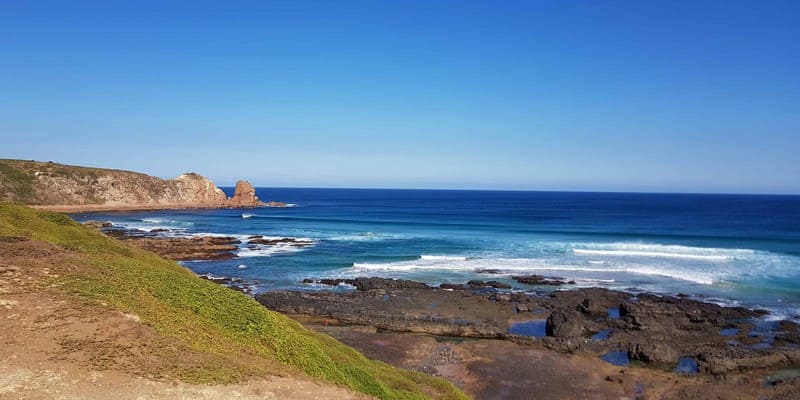
Colonnades Beach is a fascinating place to visit, not only because of its beautiful coastal views but also due to its amazing geological formations and opportunities for beachcombing. It is located on the picturesque coastlines with unique rock structures and rich marine life ecosystem. People come here not just to relax but also to explore and find out about the interesting natural wonders hidden in the sand. This article will look into the geological features of The Colonnades Beach and discuss beachcombing as an art, giving tips and insights for an enriching experience. From physics behind erosion that shapes landscapes to practical beachcombing strategies, we’ll cover it all. So grab your bags and let’s dive into one of nature’s masterpieces.
Contents
Geological Formations at The Colonnades Beach
Unique Rock Structures
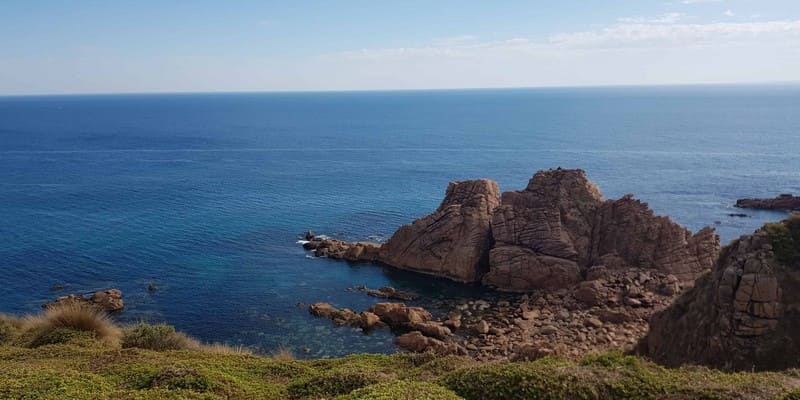
The Colonnades Beach is famous for its unique rock formations which have attracted attention from both geologists and nature lovers alike. These structures are mainly made up of sedimentary rocks that have been shaped by millions of years’ worth of oceanic and atmospheric forces. By visiting the beach, you can see how nature’s elements work together to create stunning geological wonders. Layering in these rocks tells a story of the earth’s geological history, providing clues about the region’s environmental changes over time. Each formation varies in texture and color, presenting an artistically rich landscape to explore. Standing before these colossal structures, one cannot help but feel a sense of awe at the beauty and history that nature has to offer.
Impact of Erosion
Erosion plays a critical role in shaping the landscape at The Colonnades Beach, influencing both the presence and appearance of geological formations. Over time, the relentless action of wind and water wears down rock, carving out intricate shapes and pathways along the shore. This natural process results in an ever-changing coastline, meaning that each visit can reveal different features and formations. Moreover, understanding how erosion works provides insights into the fragility of coastal ecosystems. The impact of human activity, such as construction and pollution, can further exacerbate the erosion process, leading to long-term damage. Monitoring these changes is essential for preserving the natural beauty of The Colonnades Beach for future generations.
Fossil Findings
Amongst many other geological treasures found at The Colonnades Beach are fossils which are particularly intriguing. Fossils found along the shore offer a glimpse into the past, allowing visitors to uncover remnants of ancient marine life that once existed in this area. Common finds include mollusks and other marine invertebrates, providing valuable insights into the oceanic conditions of yesteryears. Each fossil tells a story, linking the present with the geological past and enriching our understanding of evolution and biodiversity. Collecting these fossils, however, should be done with care and respect, recognizing their importance in the narrative of our planet’s history. Amateur paleontologists and casual beachgoers alike find joy in this aspect of The Colonnades Beach.
Beachcombing Experience at The Colonnades
What to Look For While Beachcombing
Beachcombing at The Colonnades Beach can be a therapeutic and rewarding experience. As you stroll along the sandy shore, you’ll find a plethora of treasures waiting to be discovered. The beach is not only home to a variety of shells, but it also offers unique stones and minerals that have been polished by the ocean’s waves. Whether you’re hunting for a perfect conch shell or colorful sea glass, the thrill of the find adds excitement to your visit. Here are a few popular items to look for while you explore:
- There are different types of shells such as clams, scallops and whelks.
- Driftwood and sea glass that have been washed ashore are interesting to look at.
- In the sand there are rare fossils.
- The sea has made colorful pebbles and stones smooth.
- Starfish and sand dollars (look but don’t take!) are some of the marine life you can find here.

Best Times for Beachcombing
A successful beachcombing expedition depends on timing. The Colonnades Beach is best visited during low tides when a larger part of the shore is exposed. Generally, after a storm, it is advisable to visit because high waves bring in various shells and other treasures. Also, certain seasons may be more favorable for beachcombing activities. For instance, spring and summer usually attract a wide range of marine life to the beach hence providing an opportunity to find unique items washed ashore. Here is a simple table summarizing the best times to visit for beachcombing:
| Season | Best Tides | Treasure Type |
|---|---|---|
| Spring | Low Tide | Shells & Sea Glass |
| Summer | Early Morning | Marine Life & Fossils |
| Fall | Low Tide Post Storm | Unique Rocks & Driftwood |
| Winter | Mid-Morning | Rare Shells & Ice Formations |
Responsible Beachcombing Practices
Beachcombing can be an exciting experience, but it is important to practice responsible beachcombing in order to preserve the ecosystem. By taking only what you need and leaving behind delicate marine life and natural structures, the beach will continue to be a welcoming place for future visitors. The principle of “leave nothing but footprints” should be followed by beachcombers as it encourages conservation and respect for the environment. It is also important to familiarize oneself with local laws and regulations concerning collecting items from the beach. We can enjoy the treasures that The Colonnades Beach offers while ensuring it remains a pristine destination by adhering to these ethical guidelines.

Conclusion
The Colonnades Beach is not just a beautiful getaway but also a rich tapestry of geological wonders and wonderful opportunities for beachcombing. This beach is a haven for nature enthusiasts and geology lovers alike, from unique rock formations shaped over thousands of years by natural forces to the excitement of finding rare shells or fossils. If we understand and respect its ecosystem, we will make sure that it remains a treasure for generations. So, if you are walking along the beach or looking for hidden treasures, The Colonnades Beach is a place where you can appreciate and interact with nature’s beauty.
FAQs
1. What kind of geological features will I see at The Colonnades Beach?
Visitors can find unique rock structures that showcase the area’s geological history, including fascinating formations shaped by erosional processes.
2. Are there any specific shells or fossils that I should look for while beachcombing?
Common finds include various types of seashells, driftwood, and occasionally fossils dating back to ancient marine life.
3. When is the best time to go beachcombing at The Colonnades?
The best times are usually during low tide especially after a storm when more treasures may be exposed on the shore.
4. How can I practice responsible beachcombing?
Limit your collection to a few items, leave fragile marine life where you found it and avoid disturbing the beach’s natural habitat.
5. Is there any risk involved in exploring The Colonnades Beach?
While generally safe for beachcombing, be careful around rocky areas and keep an eye on tide schedules so as not to get stranded.