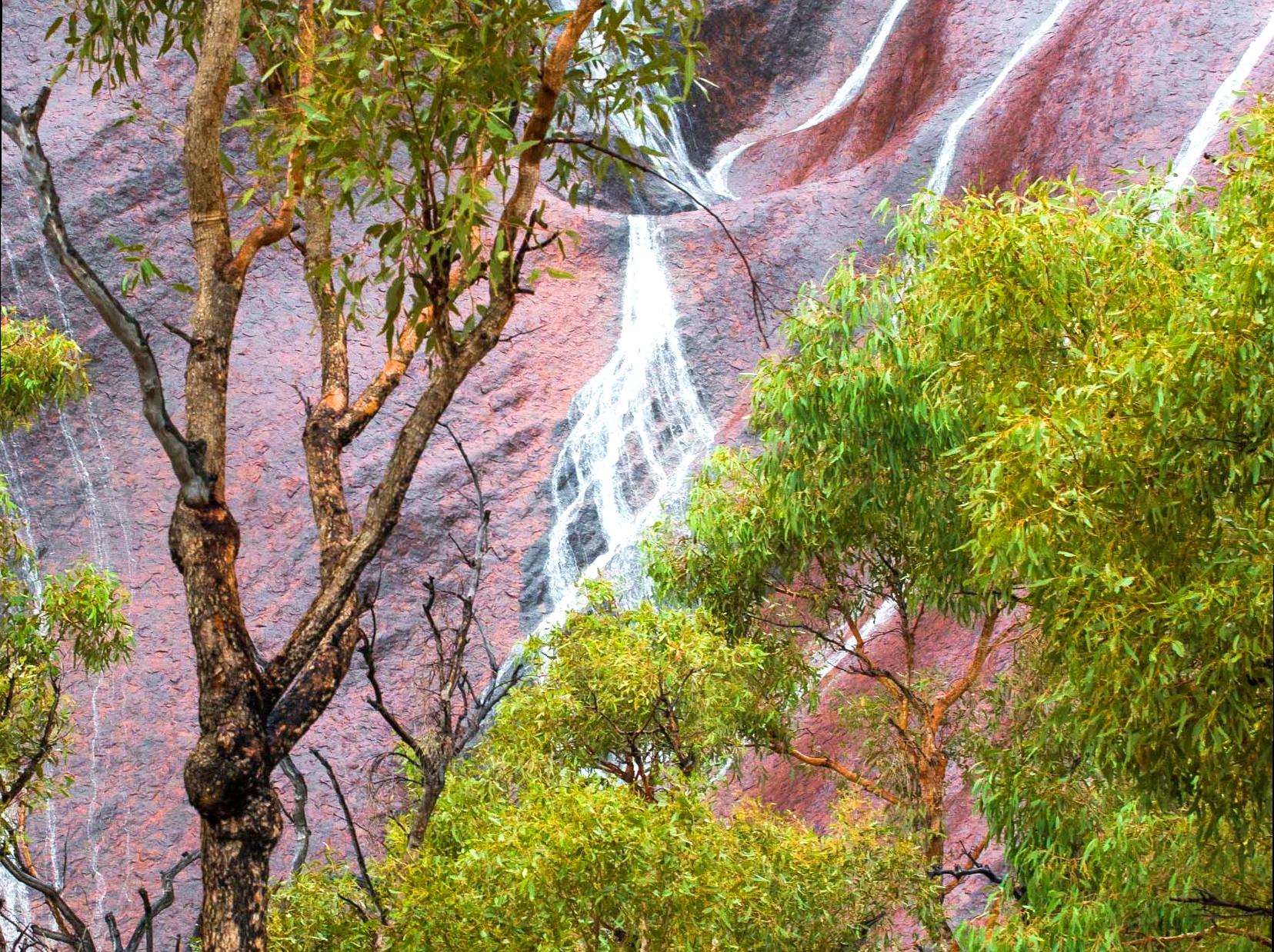
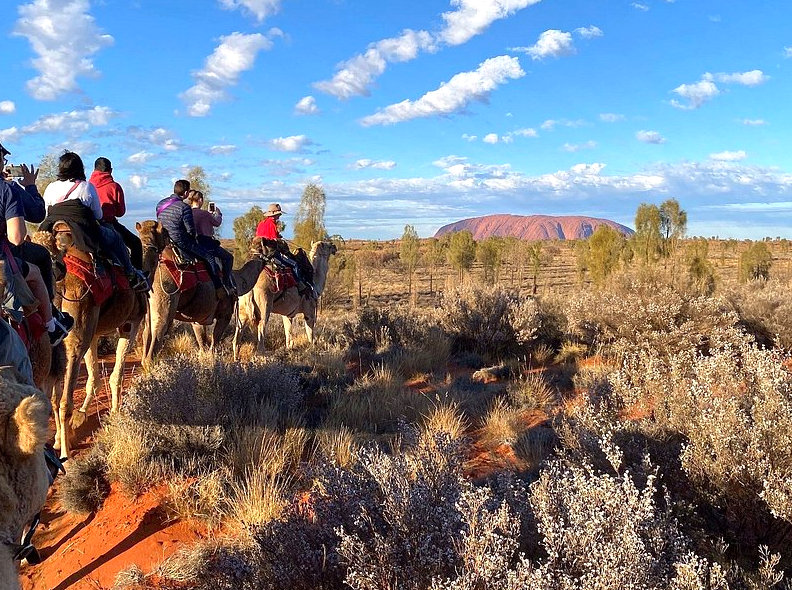
Uluru and Kata Tjuta are two of Australia’s most iconic natural landmarks, drawing visitors from around the world to experience their grandeur and spiritual significance. Located in the heart of the Northern Territory, these stunning rock formations are not only breathtakingly beautiful but also steeped in rich Indigenous culture and history. This guide is designed to provide comprehensive insights into what to see, how to explore these natural wonders, and the best practices to honor the land and its traditional custodians.
Contents
Understanding the Cultural Significance
Uluru, also known as Ayers Rock, is a sacred site for the Anangu people, the traditional owners of the land. The cultural significance of Uluru goes beyond its impressive size, as it is a vital part of the Anangu’s beliefs and traditions. Kata Tjuta, which means “many heads,” is another important site for the Anangu, representing creation stories central to their heritage. Visitors are urged to acknowledge the deep spiritual connection Indigenous Australians have with these landscapes and to learn about the cultural practices that have persisted for thousands of years. Respectful engagement with local lore can enhance your understanding and appreciation of these majestic formations.

Best Ways to Experience Uluru and Kata Tjuta
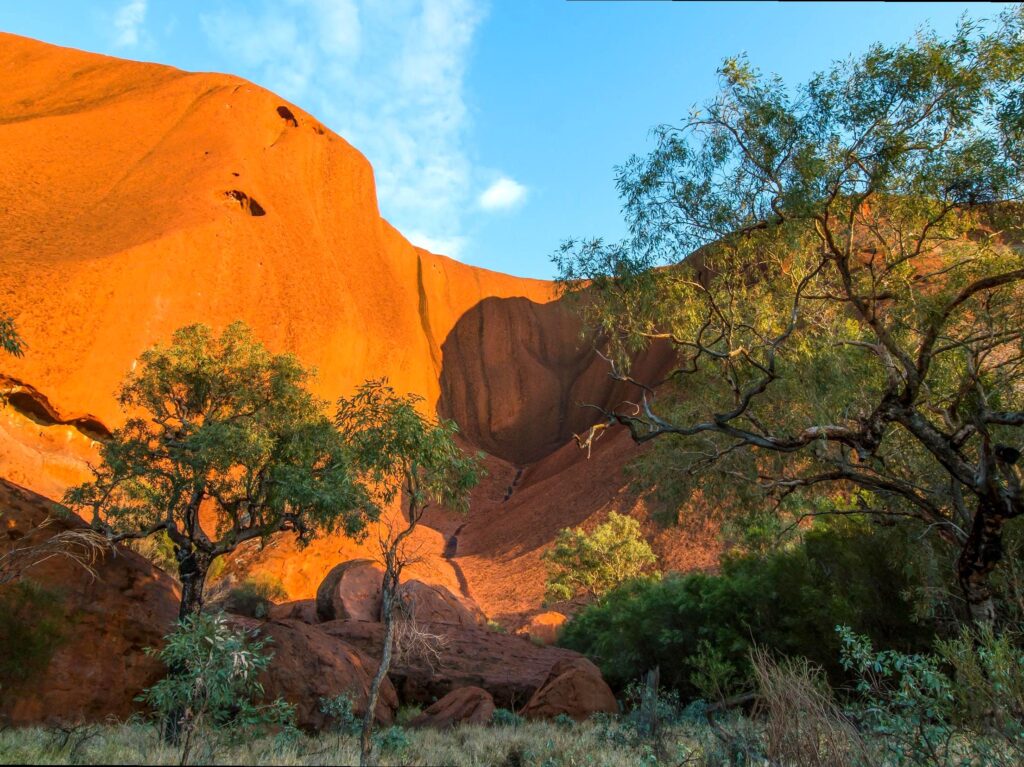
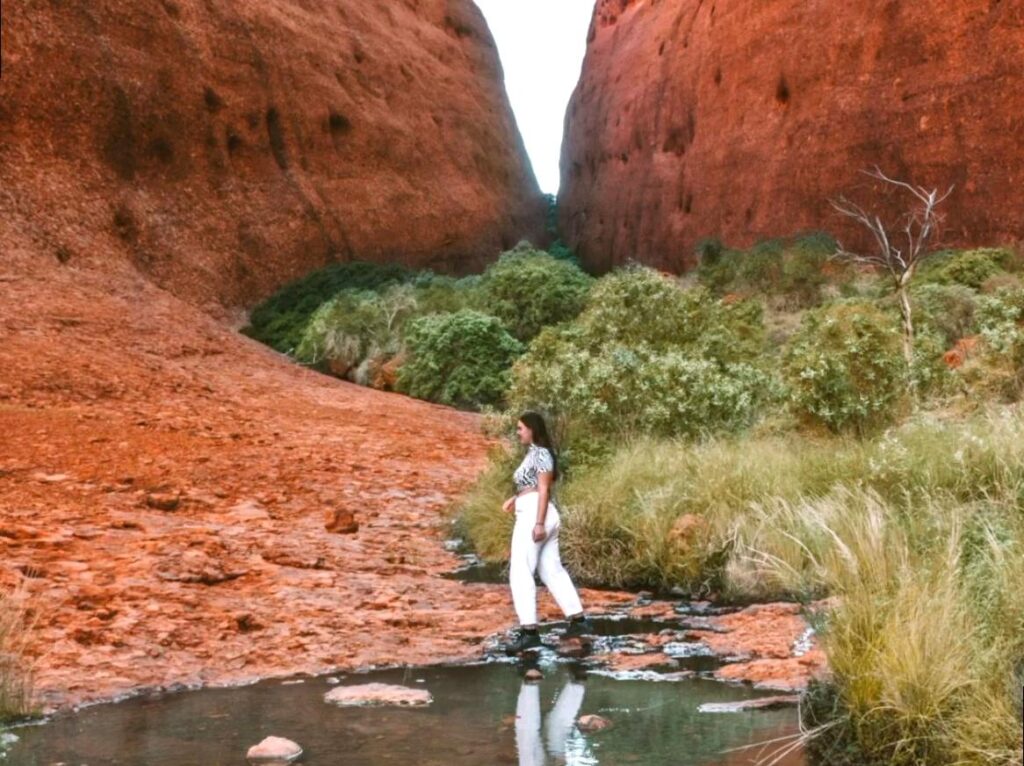
When planning your visit to Uluru and Kata Tjuta, consider multiple ways to explore these incredible sites. One of the most popular activities is to take guided tours led by Indigenous Australians, which offer invaluable insights into the land’s history and significance. Additionally, the Uluru Base Walk provides a peaceful route around the rock, allowing visitors to admire its changing colors and learn about its geology. Kata Tjuta, with its 36 domed formations, can be explored via the Valley of the Winds hike, which presents breathtaking panoramic views. Be sure to also witness the stunning sunrise and sunset; both occasions highlight the mesmerizing colors of the landscape. A visit to the Cultural Centre is essential, as it provides further information on the Anangu culture and its connection to the land.
Practical Tips for Your Visit
To ensure a smooth and respectful visit to Uluru and Kata Tjuta, consider the following practical tips:
-
- Respect Indigenous practices and cultural protocols by sticking to marked walking paths and refraining from climbing Uluru.
- Stay hydrated, as the desert climate can be harsh, and temperatures may soar.
- Plan your visit around sunrise and sunset to see the stunning light displays.
- Wear appropriate footwear for hiking and walking – sturdy shoes are recommended.
- Engage with local guides to enrich your experience, providing deeper insights into the significance of the land.
Keeping these tips in mind will help you have a more enjoyable and respectful experience while exploring these sacred sites.
Wildlife and Flora to Look Out For
Both Uluru and Kata Tjuta are home to a diverse array of wildlife and unique flora. Visitors might spot kangaroos, emus, and various bird species endemic to the region, such as the splendid fairy-wren and the wedge-tailed eagle. The area supports a variety of plant life adapted to the arid environment, including spinifex grass, desert oak, and bush tomatoes, which can often be seen on walking trails around Uluru and Kata Tjuta. Remember that these ecosystems are delicate and contribute to the overall health of the Australian inland. Taking responsibility for your actions, such as not disturbing wildlife and sticking to designated paths, will aid in the preservation of these precious habitats for generations to come.
Conclusion
Visiting Uluru and Kata Tjuta offers a unique and enriching experience that blends stunning natural beauty with profound cultural significance. By understanding the importance of these landmarks to the Indigenous peoples and respecting their traditions, visitors can deepen their connection to Australia’s rich heritage. Remember to prepare for the diverse activities and breathtaking scenery, whether hiking through Kata Tjuta or experiencing the ethereal changes of light on Uluru at dawn or dusk. Ultimately, a visit to these iconic sites is not merely a trip but a journey into the heart of Australia’s soul.
FAQs
The optimal time to visit is during the cooler months of April to September, when temperatures are more comfortable for outdoor activities. Early mornings and late afternoons offer the most beautiful light for photography.
Are there accommodations near Uluru and Kata Tjuta?
Yes, the area offers a range of accommodations from luxury resorts to campgrounds. It’s advisable to book in advance, especially during peak tourist seasons.
Can I climb Uluru?
Climbing Uluru is strongly discouraged and is officially prohibited as of 2019 to respect the cultural beliefs of the Anangu people.
What should I wear when visiting?
Wear lightweight, breathable fabrics and sturdy, closed-toe shoes for hiking. A hat, sunscreen, and sunglasses are also essential given the harsh sunlight.
How can I support Indigenous culture during my visit?
You can support Indigenous culture by engaging in guided tours led by Aboriginal people, visiting the Cultural Centre, and respecting cultural protocols and the environment during your visit.