Tasmania, the island state of Australia, is renowned for its stunning natural landscapes, rich history, and unique wildlife. Nestled south of the mainland, this enchanting destination offers a blend of pristine wilderness, vibrant culture, and a thriving local food scene. This article explores Tasmania’s highlights, including its majestic national parks, charming towns, and extraordinary wildlife, making it a must-visit destination for adventure seekers and nature enthusiasts alike.
Contents
The Breathtaking Landscapes of Tasmania
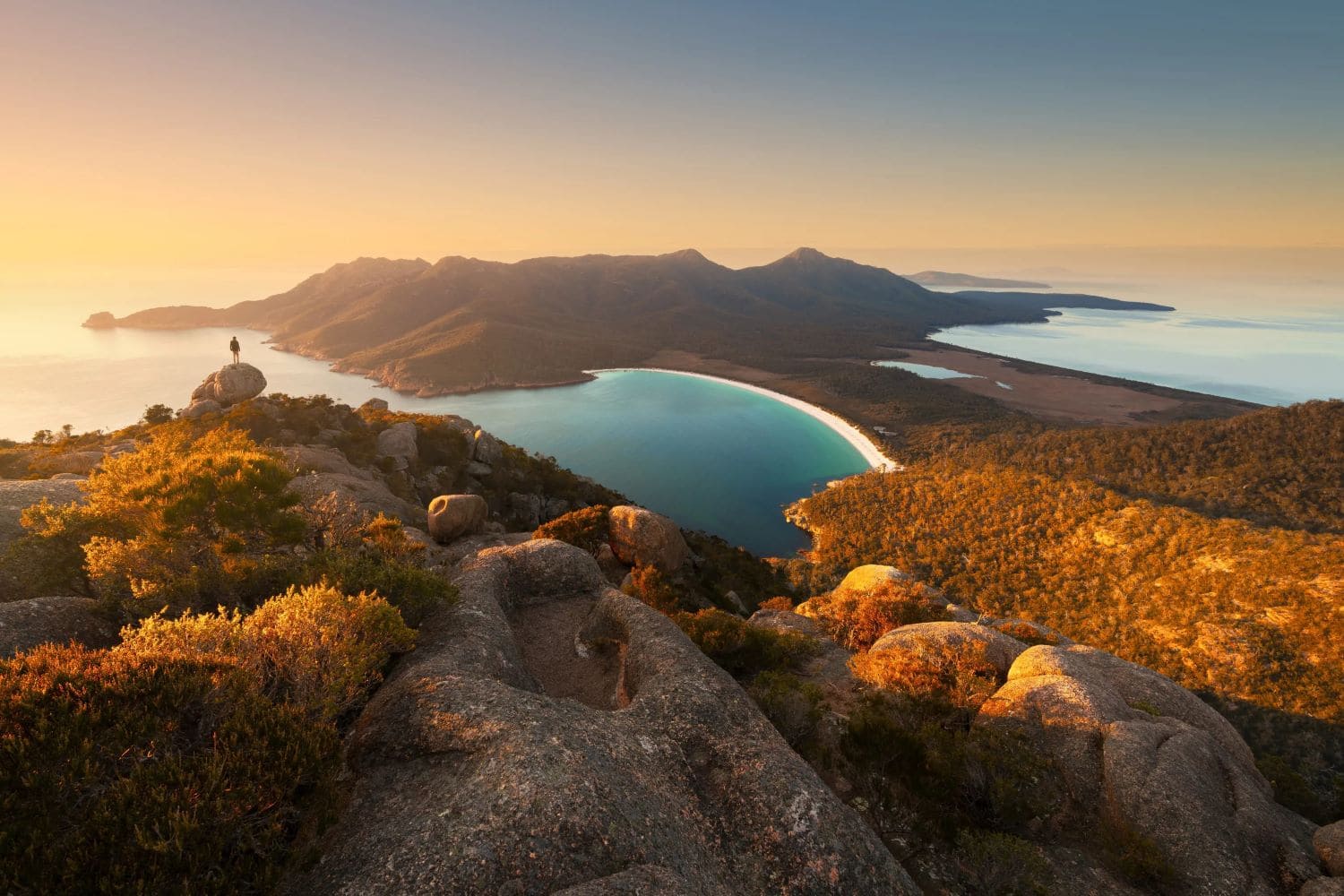
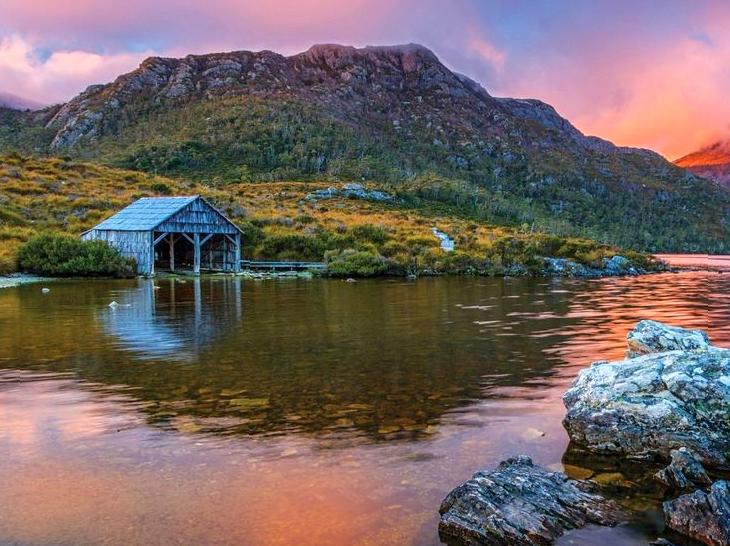
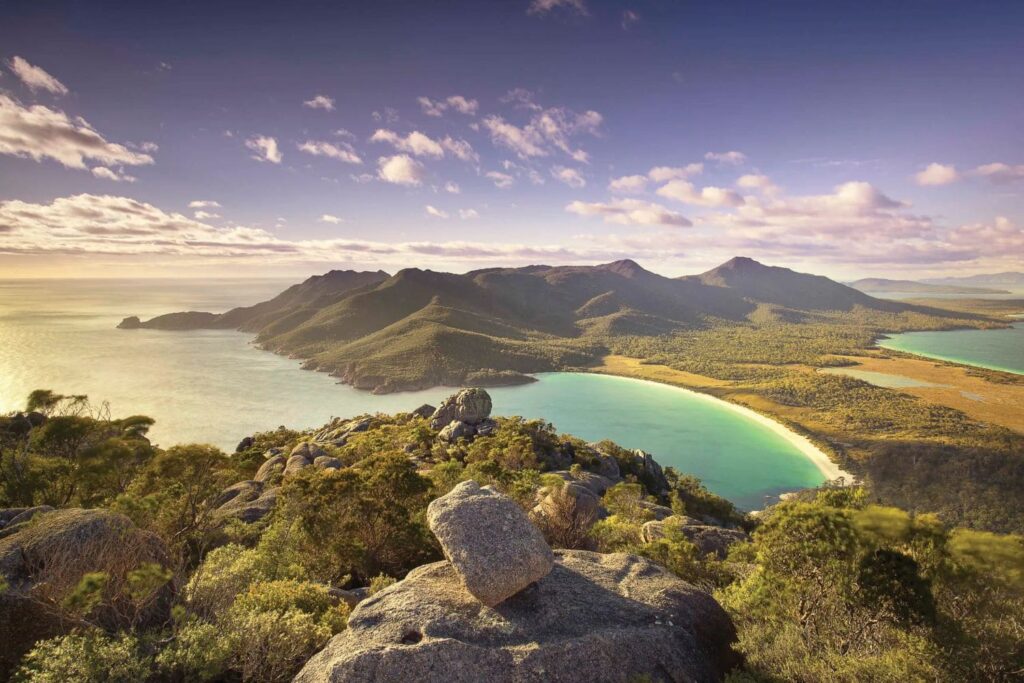
Tasmania’s landscapes are a testament to its raw, untouched beauty. The island is home to numerous national parks, with Cradle Mountain-Lake St Clair National Park being one of the most iconic. Visitors can hike the Overland Track, a six-day trek that takes you through diverse terrains, from alpine meadows to dense rainforests. Another must-see is Freycinet National Park, famous for the pink granite peaks of the Hazards and the stunning Wineglass Bay, frequently listed among the world’s top beaches.
The Tasmanian Wilderness World Heritage Area, a sprawling expanse of well-preserved ecosystems, is yet another marvel. Covering over 1.5 million hectares, it offers opportunities for bushwalking, wildlife spotting, and exploring Aboriginal heritage sites. The combination of towering cliffs, deep gorges, and untouched forests creates a landscape that feels like stepping into a different world.
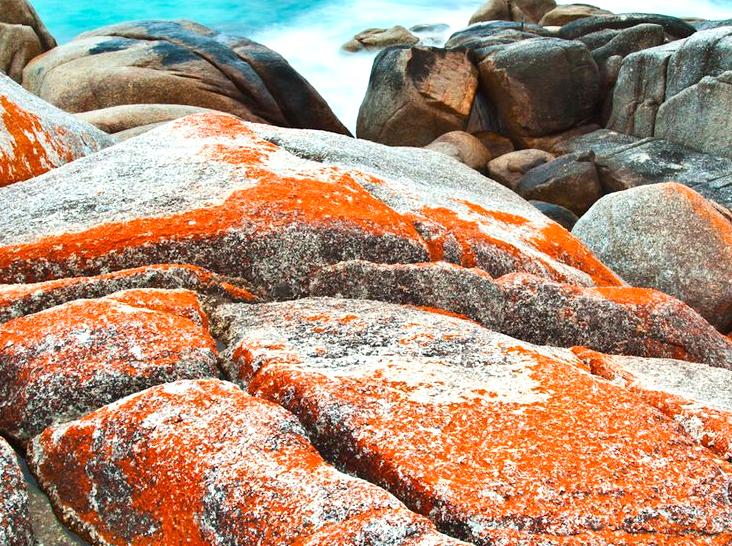
Furthermore, Tasmania boasts beautiful coastal regions, such as the Bay of Fires, which features pristine beaches and crystal-clear waters. The vibrant orange lichen-covered rocks contrast strikingly with the soft white sands, creating a picturesque environment for beachgoers and photographers alike. Whether you are a hiker or a beach lover, the diverse landscapes of Tasmania cater to every kind of adventurer.
Cultural Heritage and Historical Charm
The cultural landscape of Tasmania is steeped in rich history, from its Indigenous heritage to its colonial past. The Tasmanian Aborigines, the island’s original inhabitants, have a history dating back over 40,000 years. Visitors can explore various sites that illustrate their deep connection to the land and significant cultural practices.

Hobart, the state capital, is a charming city teeming with history and culture. The historic Salamanca Place is famous for its vibrant markets, held every Saturday, offering local crafts, produce, and delicious food. Additionally, the Museum of Old and New Art (MONA) has gained international recognition for its cutting-edge exhibitions, merging ancient and contemporary art in an engaging manner.
Moreover, the historic site of Port Arthur, a former convict settlement, allows visitors to delve into Tasmania’s colonial past. It serves as a haunting reminder of the island’s penal history, offering guided tours, ghost tours, and exhibits that recount the lives of the convicts who were sent here. Such historical landmarks provide essential insights into Tasmania’s development, making it an enriching experience for tourists.
Unique Flora and Fauna
Tasmania is home to an array of unique wildlife and plants found nowhere else on Earth. The island’s isolation has allowed species to evolve in captivating ways, making it a hotspot for biodiversity. The iconic Tasmanian devil, known for its fierce nature and distinctive screech, is one of the most famous animals; however, its population faces challenges due to a contagious cancer affecting its species.
Other remarkable creatures include the Eastern grey kangaroo, the wedge-tailed eagle, and the platypus. Bird watchers will find Tasmania particularly appealing, with its diverse range of endemic birds such as the Tasmanian native hen and the orange-bellied parrot. The island’s complex ecosystems support abundant marine life, including seals, dolphins, and an impressive variety of fish species.
Furthermore, the lush forests of Tasmania are home to ancient trees, including the famous Huon Pine, which can live for over 1,000 years. The island’s diversity extends into its flora, with delicate wildflowers blooming in the spring, creating a kaleidoscope of colors. For nature lovers, Tasmania offers an unparalleled opportunity to witness the beauty of its native wildlife and environments firsthand.
Culinary Delights of Tasmania
Culinary enthusiasts will find Tasmania a haven for fresh, high-quality produce. The island is renowned for its seafood, particularly its farmed salmon and oysters, which are exported worldwide. Many local restaurants pride themselves on sourcing ingredients directly from the ocean or local farms, ensuring that every meal is a true reflection of Tasmania’s bounty.
Additionally, Tasmania’s climate is ideal for growing premium wine grapes, and the Tamar Valley is known for its cool-climate wines, including Pinot Noir and Chardonnay. Wine aficionados can embark on vineyard tours, sampling exquisite wines while enjoying scenic views of the picturesque countryside.
The flourishing food scene is complemented by vibrant markets, such as the Harvest Launceston Community Farmers Market, where you can discover local cheeses, honey, and preserves. Tasmanian craftsmanship also shines through artisanal products, including gourmet chocolates and handcrafted spirits. Whether diving into fresh local seafood or indulging in award-winning cheeses, Tasmanian cuisine offers a delightful journey for the senses.
Conclusion
In summary, Tasmania stands out as an enchanting destination that combines stunning natural landscapes, rich cultural heritage, and vibrant local flavors. Whether you seek adventure in scenic national parks, historical insights in quaint towns, or gourmet experiences in its thriving culinary scene, Tasmania has something for everyone. A visit to this beautiful island state promises not just breathtaking views but also unforgettable memories that captivate the heart and soul.
Frequently Asked Questions
The best time to visit Tasmania is during the summer months, from December to February, when the weather is warm and ideal for outdoor activities. Spring (September to November) and autumn (March to May) are also great for sightseeing, with milder temperatures and fewer crowds.
2. How do I get to Tasmania?
You can reach Tasmania by flying into one of its major airports, such as Hobart or Launceston, or by taking a ferry from Melbourne. The ferry offers a scenic option for travelers with vehicles, allowing for flexibility when exploring the island.
3. Is Tasmania safe for tourists?
Tasmania is considered a safe destination for tourists, with low crime rates and friendly locals. However, as with any travel destination, it’s advisable to take standard safety precautions, especially in remote areas.
4. What outdoor activities can I enjoy in Tasmania?
Tasmania offers a range of outdoor activities, including hiking, cycling, kayaking, and wildlife tours. The island’s national parks provide ample opportunities for exploration, catering to all fitness levels and adventure styles.
5. Can I see Tasmanian devils in the wild?
While it’s challenging to spot Tasmanian devils in the wild due to their nocturnal nature, you can visit wildlife sanctuaries and reserves that focus on conservation efforts, providing a chance to observe these unique creatures up close.