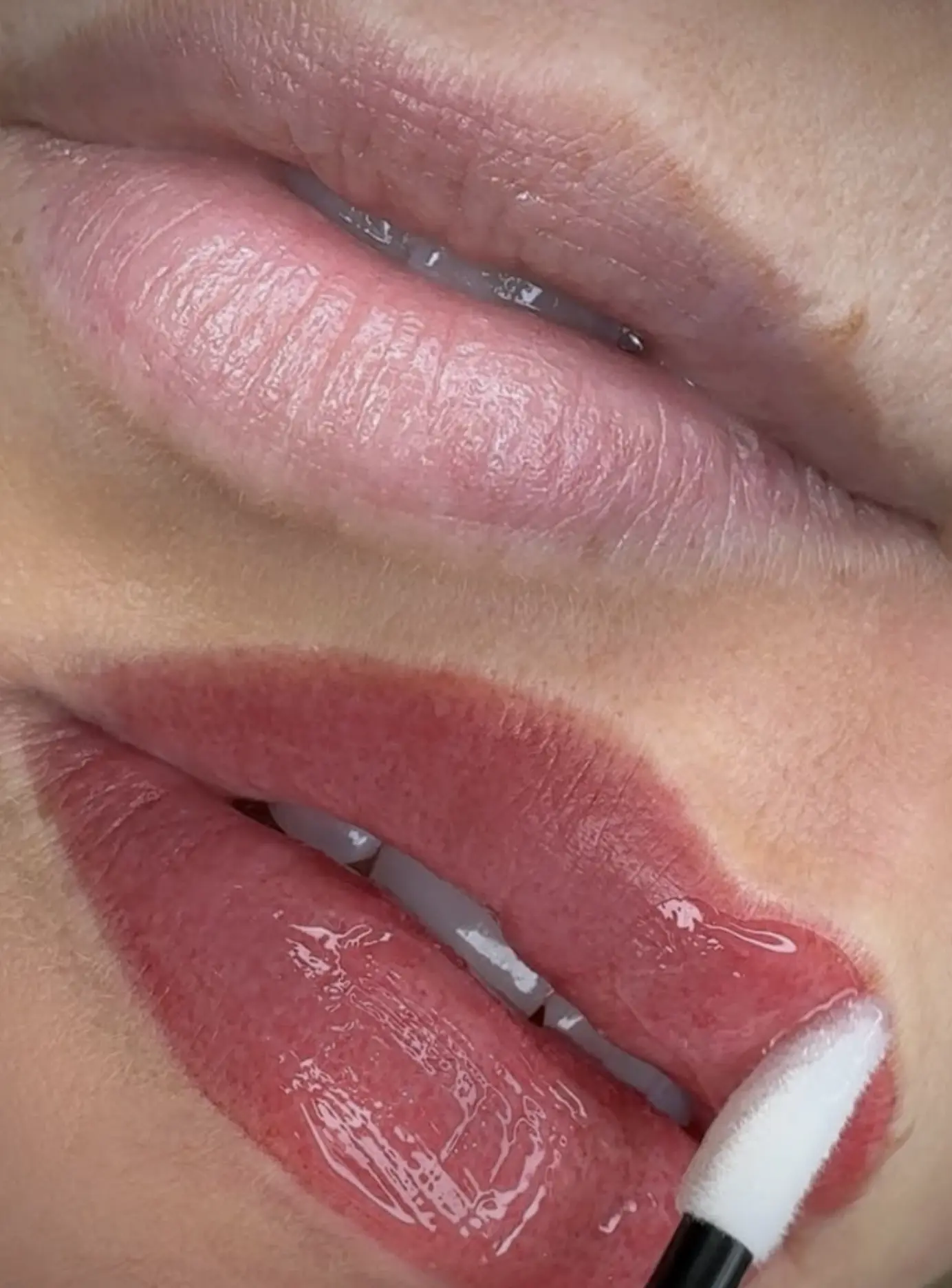
So you’ve just had lip blushing or you’re thinking of booking in and you’re wondering What to put on my lips after lip blushing? It’s one of the most common questions we get in our Brisbane studio. At Cosmetic Tattoo Studio Brisbane Face Figurati, we’ve guided hundreds of clients through the healing process — and trust us, knowing what goes on your lips in the days and weeks after your appointment makes all the difference to your final colour and comfort.
Your lips have just been tattooed — which is essentially a semi-permanent makeup procedure involving pigment implantation in delicate lip skin. That means the right aftercare instructions matter more than you think. So let’s go through the healing period, product choices and the dos and don’ts of lip blush aftercare.
Contents
- 1 Why Aftercare Matters More Than the Procedure Itself
- 2 Week by Week Healing Guide
- 3 Products You Can (and Can’t) Use on Freshly Tattooed Lips
- 4 Your Tattoo Artist’s Role in Healing
- 5 Lifestyle Choices That Affect Healing
- 6 How Many Sessions You’ll Really Need
- 7 Aftercare Balm Made the Difference
- 8 Industry Trends and Stats: Permanent Makeup 2025
- 9 Final Thoughts: Your Lips, Your Investment
- 10 FAQ
- 10.1 Can I use lip balm after my lip blushing tattoo?
- 10.2 How long does the healing process take for lip tattooing?
- 10.3 Will I lose pigment if I don’t follow aftercare instructions?
- 10.4 Can I book a lip tattoo course while I’m still healing from my own procedure?
- 10.5 What if I have an allergic reaction to lip blush aftercare?
Why Aftercare Matters More Than the Procedure Itself
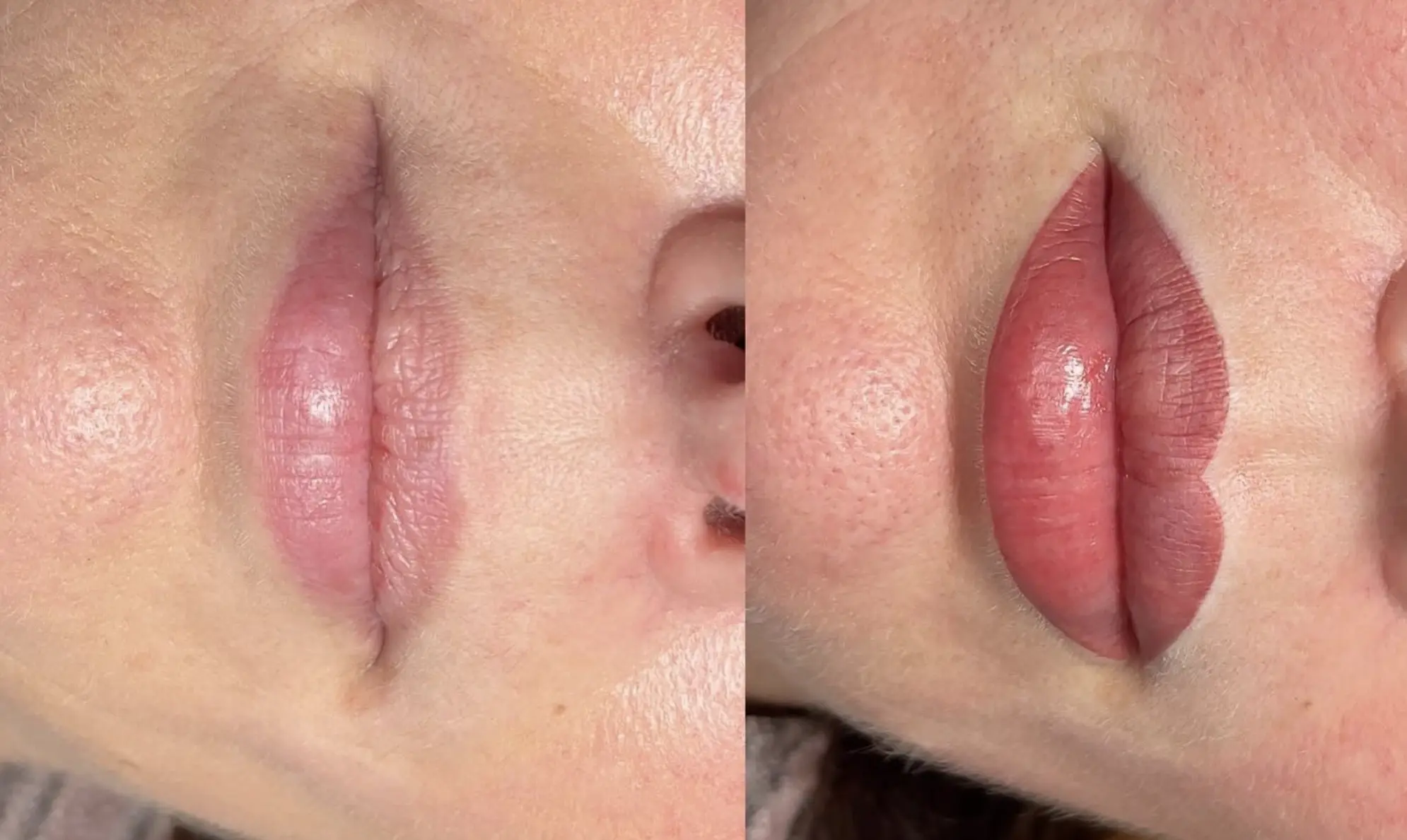
Most clients assume the hardest part is sitting in the chair while the tattoo artist works. But truthfully, the healing phase is where the magic of colour stabilisation, pigment retention and natural lip colour blending all come together. Ignore your aftercare instructions and you risk pigment loss, uneven lip colour or even irritation from allergic reactions. Follow your aftercare and you’ll love the final colour — soft, flattering and long lasting.
We’ve seen it first hand: two clients with identical lip blushing tattoos, same pigment, same cosmetic tattoo artist. One followed her aftercare balm routine to the letter, the other reached for her old lip gloss and chemical exfoliants within a week. Whose pigment held beautifully and whose faded by 40% before the retouch procedure?
Week by Week Healing Guide
Healing isn’t instant — it’s a journey. Here’s what to expect during the lip blush healing process:
| Healing Phase | What You’ll Notice | What To Do |
|---|---|---|
| Days 1–3 | Swelling, tightness, dark colour intensity, tender lip area | Use approved aftercare ointment, avoid touching, keep lips clean with warm water |
| Days 4–7 | Flaking, peeling, colour appears lighter, lips feel dry | Apply fragrance-free lip balm or aftercare balm; don’t pick at flakes |
| Week 2 | Lip skin looks healed, but pigment still settling | Stick to gentle care, avoid tanning beds, saunas, or lip gloss with active chemicals |
| Weeks 3–4 | Colour stabilisation begins, natural lip colour blends with pigment | Focus on hydration, use SPF lip balm outdoors |
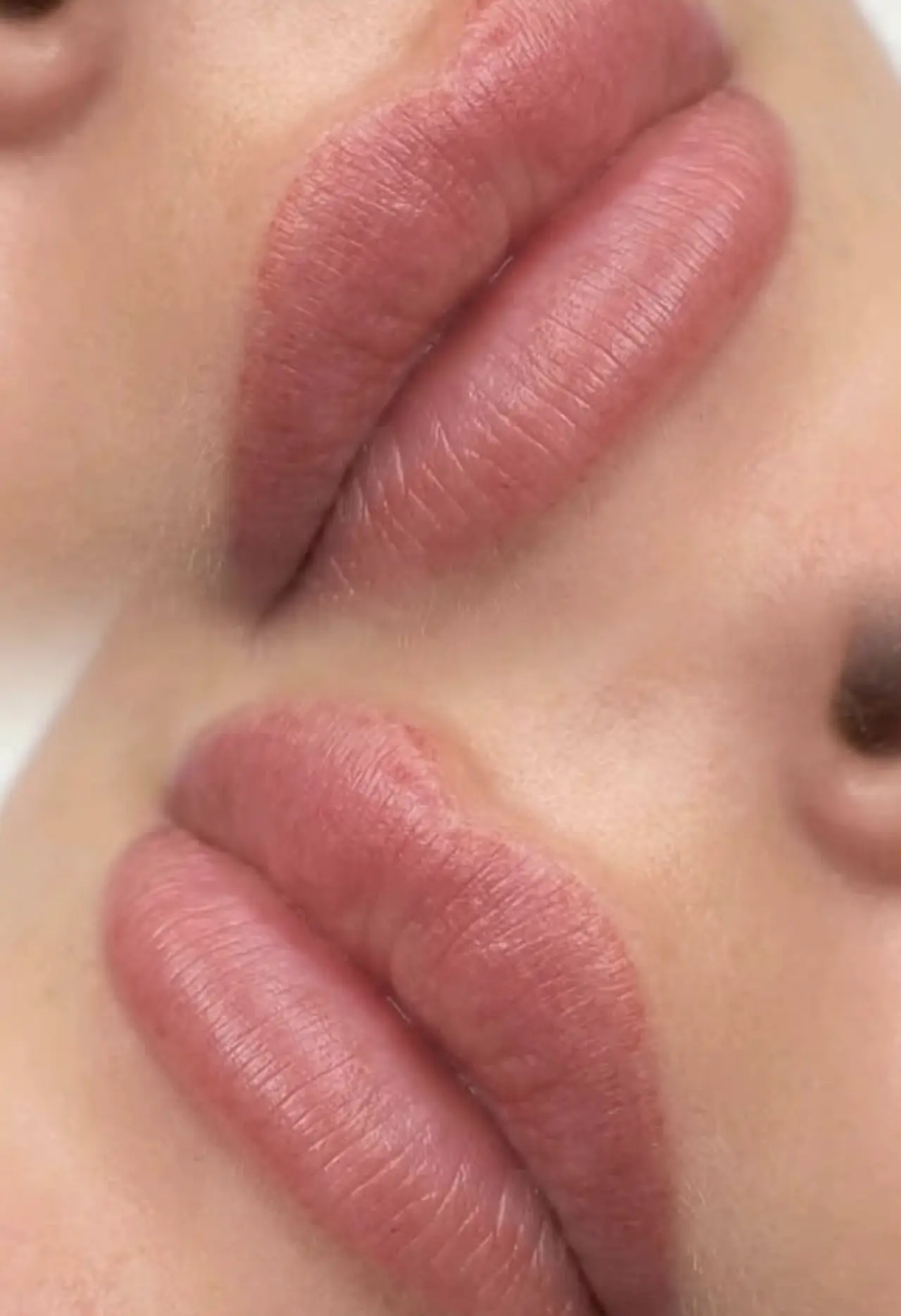
| Weeks 5–6 | Final colour visible, lip line crisp, softer healed look | Time to assess if touch ups are needed — most clients book a retouch procedure |
Products You Can (and Can’t) Use on Freshly Tattooed Lips
Not all products are created equal when it comes to lip blush aftercare. Your lip area is extra delicate after semi-permanent makeup, so you need to avoid the wrong ingredients.
Recommended:
- Aftercare balm supplied by your tattoo artist
- Hypoallergenic, fragrance-free lip balm
- SPF lip balm (after the peeling phase)
- Warm water for gentle cleansing
Avoid:
- Petroleum jelly (can block healing and pigment implantation)
- Chemical exfoliants or scrubs
- Lip glosses with artificial fragrances or colours
- Tanning beds or direct sun exposure
- Injectable treatments in the lip area during healing period
Your Tattoo Artist’s Role in Healing
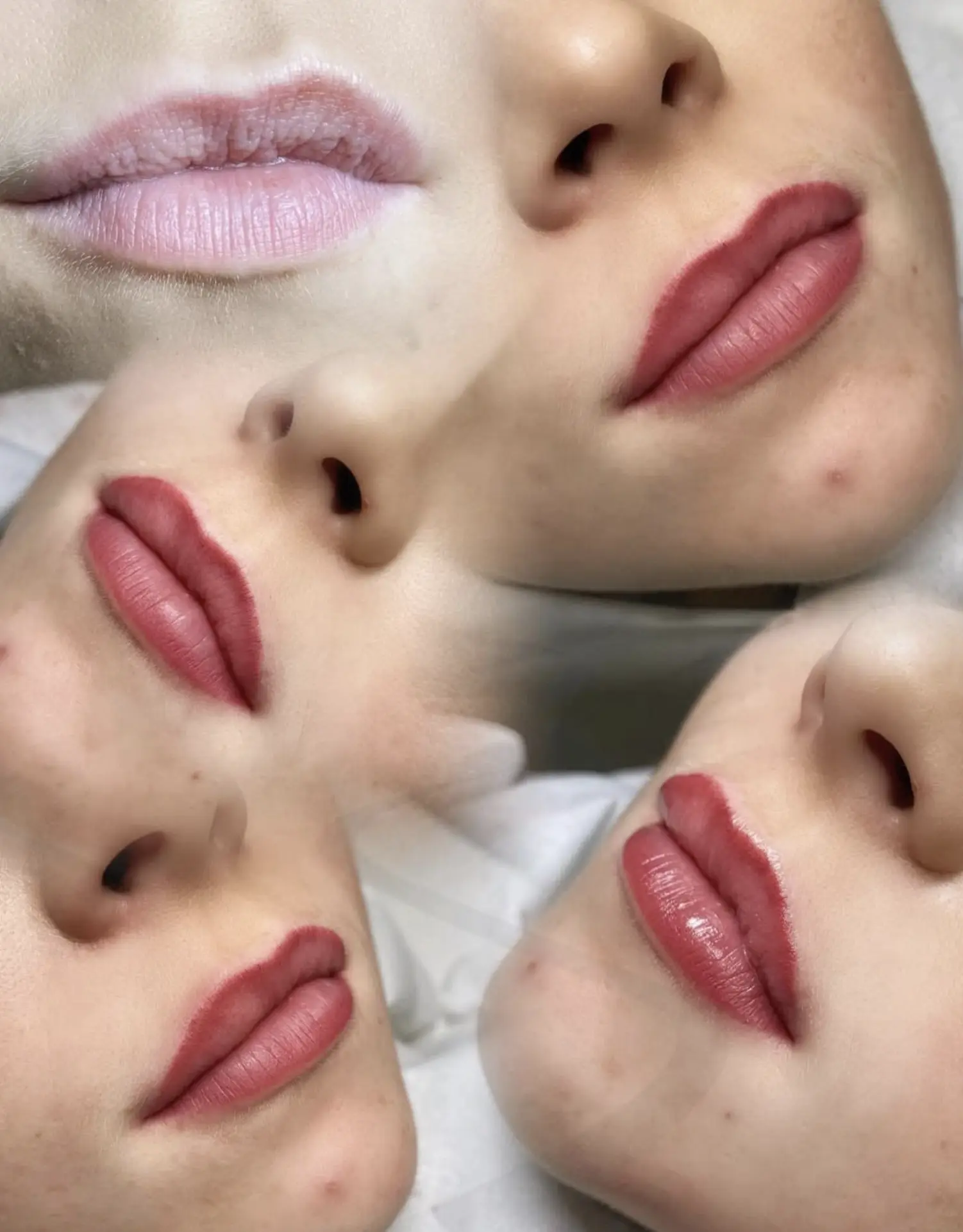
A good tattoo artist does more than just implant pigment — they guide you through every stage of healing. At Cosmetic Tattoo Studio Brisbane Face Figurati, we don’t just give you generic aftercare instructions. We look at your skin type, natural lip colour, history of herpes virus (cold sores) and lifestyle to customise your lip blush healing plan.
We’ve seen how a history of herpes virus can affect healing time, causing extra scabbing and pigment loss. That’s why we recommend prophylactic medication for clients prone to outbreaks before their lip tattoo Brisbane appointments.
Lifestyle Choices That Affect Healing
Brisbane’s subtropical climate brings extra considerations. High humidity and strong UV exposure can shorten the healing period but also increase risks of pigment fading if you skip SPF protection. If you’re the kind who loves the beach, a tanning bed or outdoor workouts, you’ll need to be more diligent with colour preservation.
We often joke with clients: lip blush healing isn’t the time for lip exercises, pouts or kissing marathons. Your lips need calm, not constant stretching.
How Many Sessions You’ll Really Need
One lip blushing tattoo session won’t always deliver your final colour. Think of it as layering. Most clients need at least two treatment sessions — the initial appointment and a retouch procedure at 6–8 weeks. This ensures pigment implantation is even, colour intensity matches your goals and final colour looks natural yet defined. Some clients with very pale natural lip colour, darker skin tones or those covering old lip tattooing may need more than one retouch. Semi-permanent makeup works best with patience — rushing the healing phase or skipping touch ups always leads to disappointment.
Aftercare Balm Made the Difference
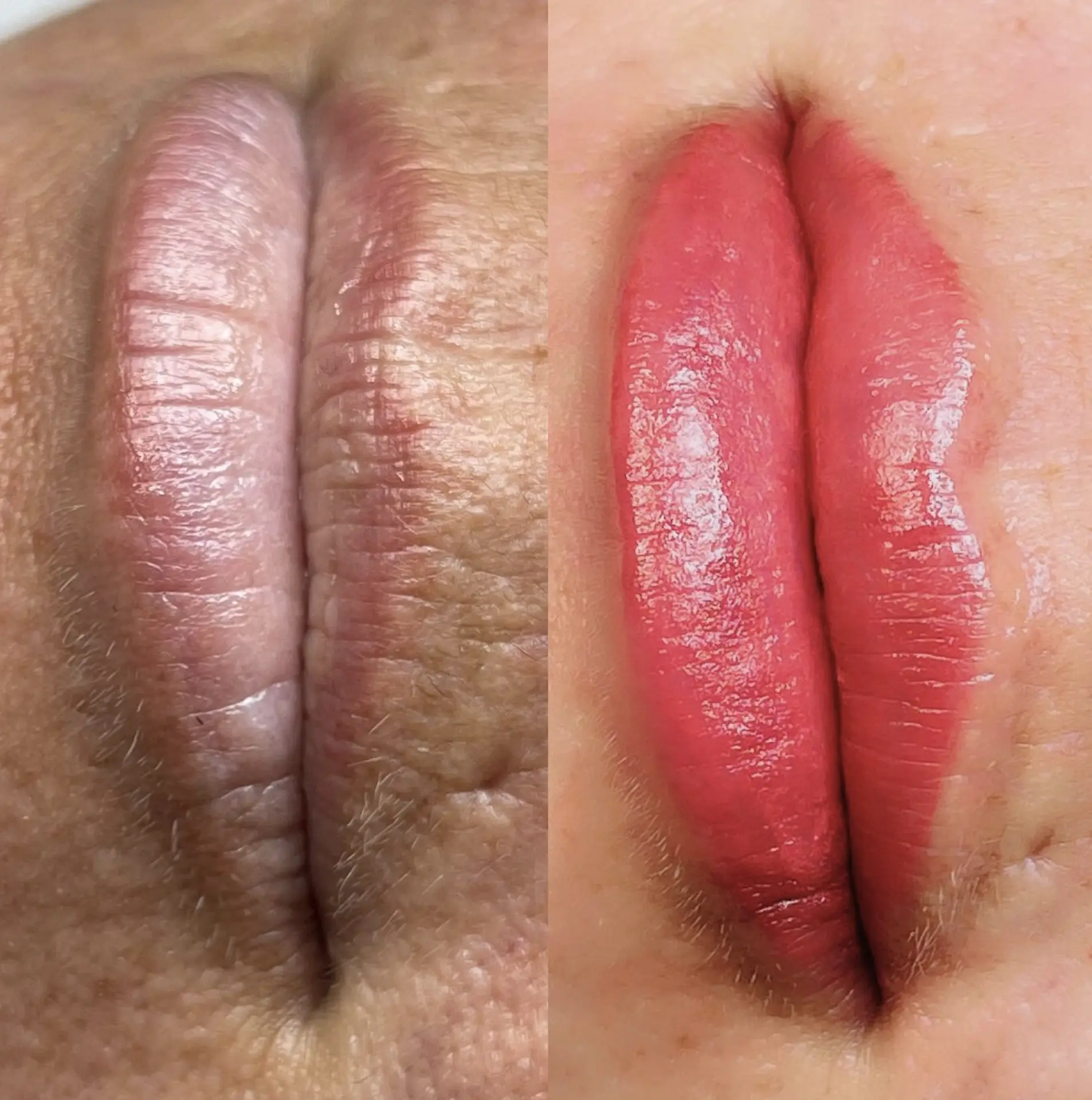
One of our Brisbane clients, Sarah, booked in for her first lip tattoo. She loved her new lip colour but was nervous about the aftercare. We sent her home with aftercare balm and strict instructions to avoid chemical exfoliants and lip glosses for three weeks. She followed everything perfectly. At her retouch procedure, her pigment retention was over 90% — almost no fading.
Compare that to another client who confessed she used her favourite tinted lip gloss on day 5. Her pigment implantation was patchy and she needed more extensive touch ups. Same procedure, different healing habits.
Industry Trends and Stats: Permanent Makeup 2025
The semi permanent makeup industry is growing, recent reports show 15% increase in lip tattooing procedures between 2023 and 2025. In Australia, 70% of our clients experience mild dryness and flaking in the first week, but 90% achieve stable colour by week 6 with proper aftercare. 90% of clients require touch ups within the first year — normal part of cosmetic tattooing longevity.
These numbers confirm what we see daily at Cosmetic Tattoo Studio Brisbane Face Figurati: consistency in aftercare equals consistency in results.
Final Thoughts: Your Lips, Your Investment
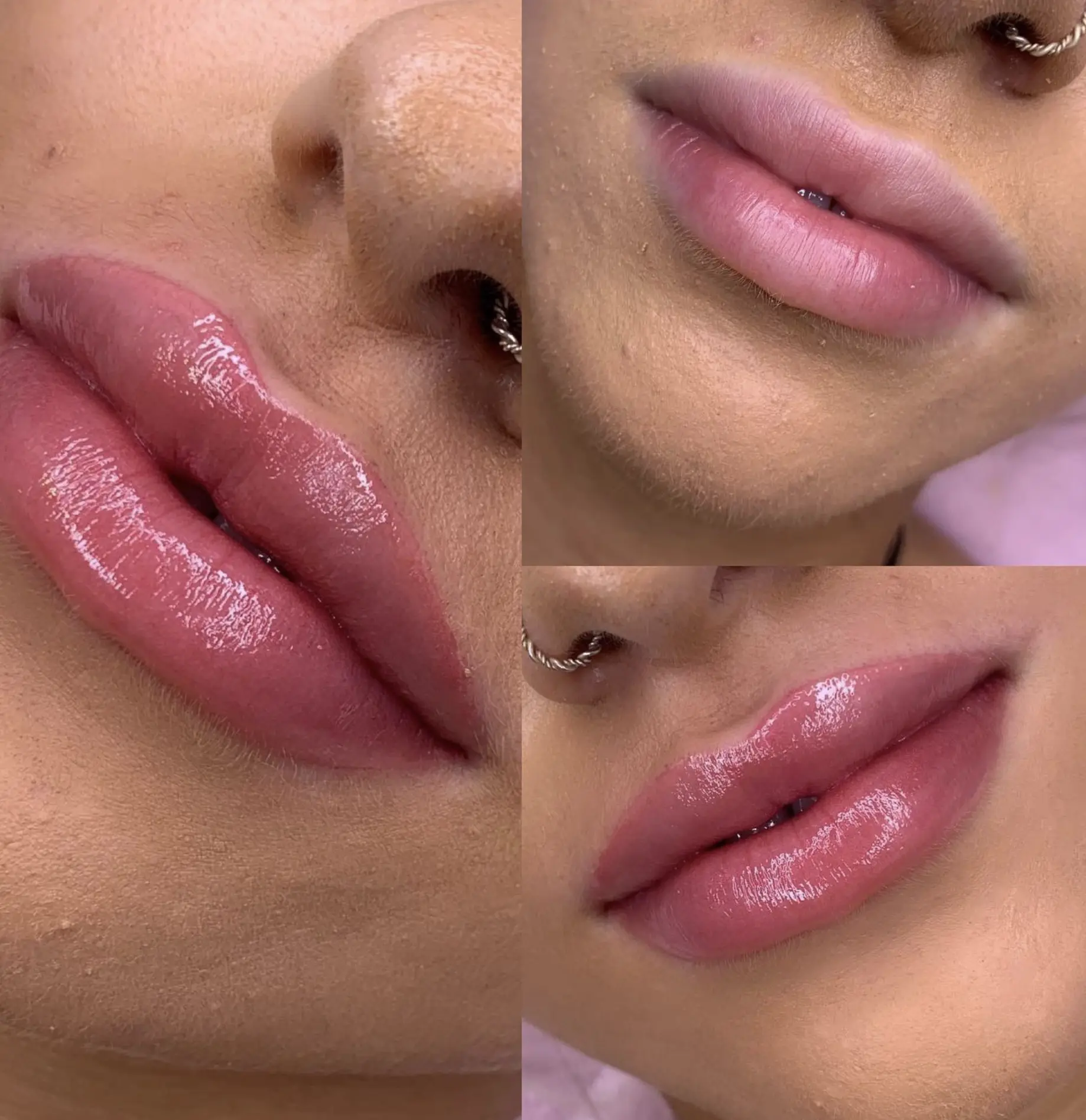
Aftercare is not an optional extra — it’s half the success of your lip blushing tattoo. From the moment you walk out of our Brisbane studio, the healing process becomes a partnership between you and your cosmetic tattoo artist. With the right aftercare balm, patience during the healing phase and realistic expectations about touch ups, your final colour will be worth every step.
Still curious about how lip tattooing could work for your lip colour goals? Pop into Cosmetic Tattoo Studio Brisbane Face Figurati for a consult. Whether it’s your first lip tattoo or you’re correcting old pigment, we’re here to help you through the healing journey.
FAQ
Can I use lip balm after my lip blushing tattoo?
Yes — but only the aftercare balm or ointment given by your cosmetic tattoo artist. No fragranced or tinted lip balms until the healing phase is complete.
How long does the healing process take for lip tattooing?
4-6 weeks, colour stabilisation by week 5. Peeling phase usually over by day 7.
Will I lose pigment if I don’t follow aftercare instructions?
Yes. Not using aftercare ointment or using lip gloss too soon can cause pigment loss, uneven lip line or patchy colour intensity.
Can I book a lip tattoo course while I’m still healing from my own procedure?
We recommend waiting until your healing period is complete before enrolling in a lip tattoo course, so you can learn with first hand healed results.
What if I have an allergic reaction to lip blush aftercare?
Stop using the product immediately and contact your tattoo artist. Mild redness is part of healing, but swelling or rash is an allergy.